
Last updated September 10, 2026
Level 1 sweep and inspection to the NFPA 211 annual standard - flue, crown, cap, and flashing checked and photographed
Chimney sweep logs do not sweep chimneys. They loosen some creosote - which then falls where a brush and vacuum still have to collect it.
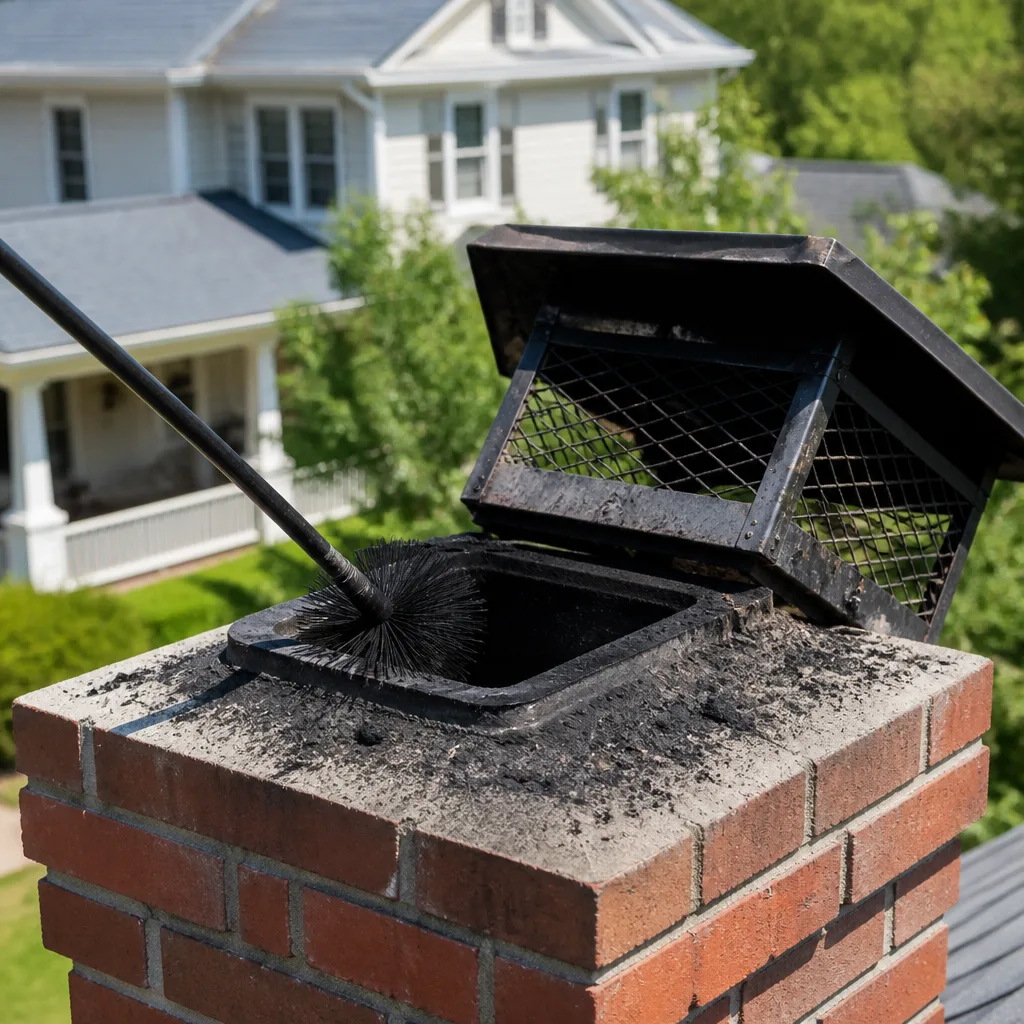
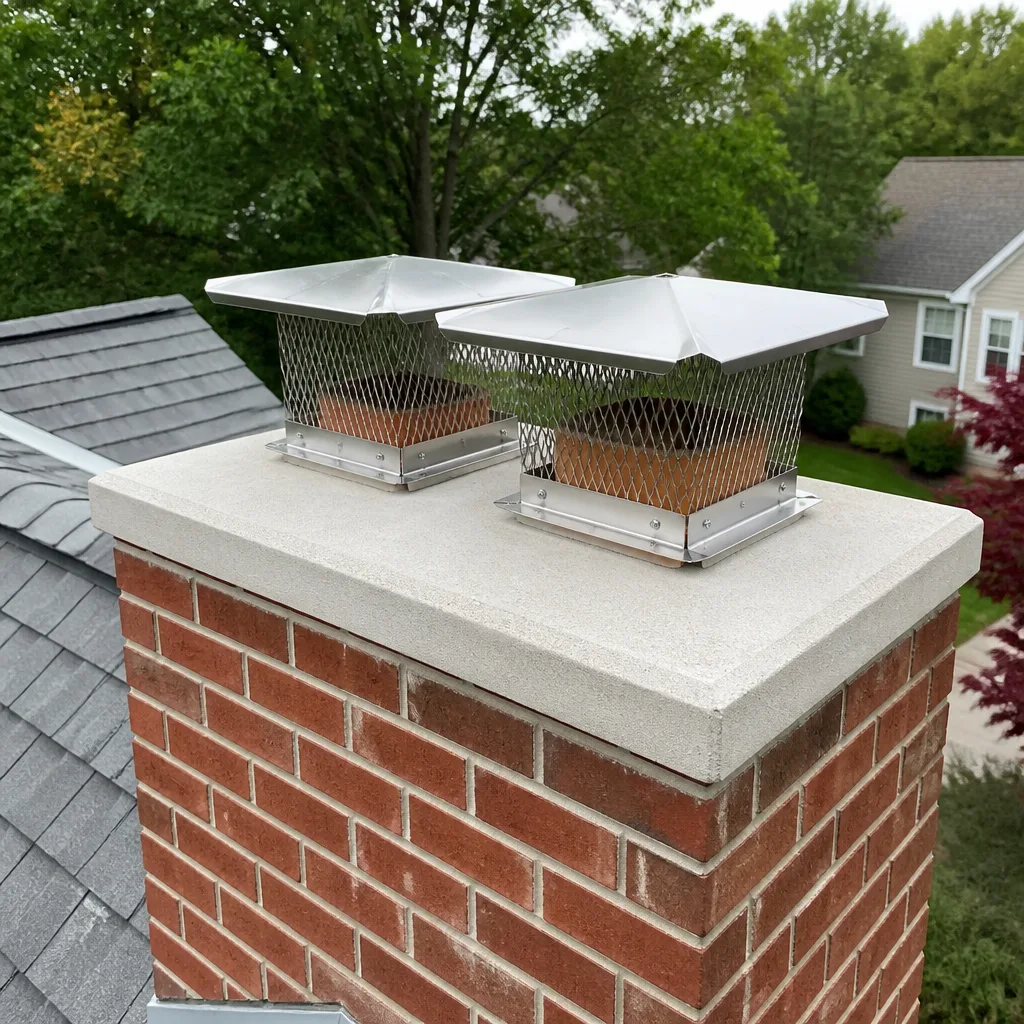
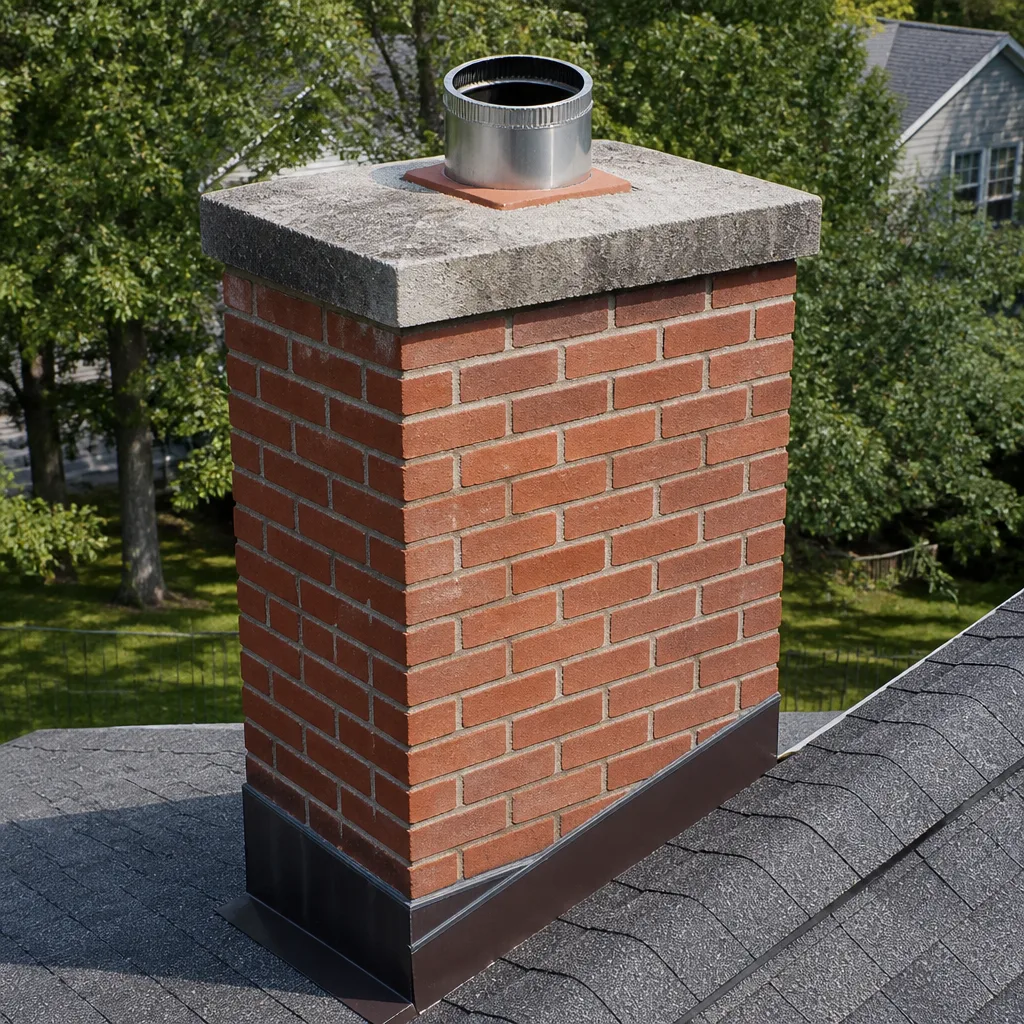
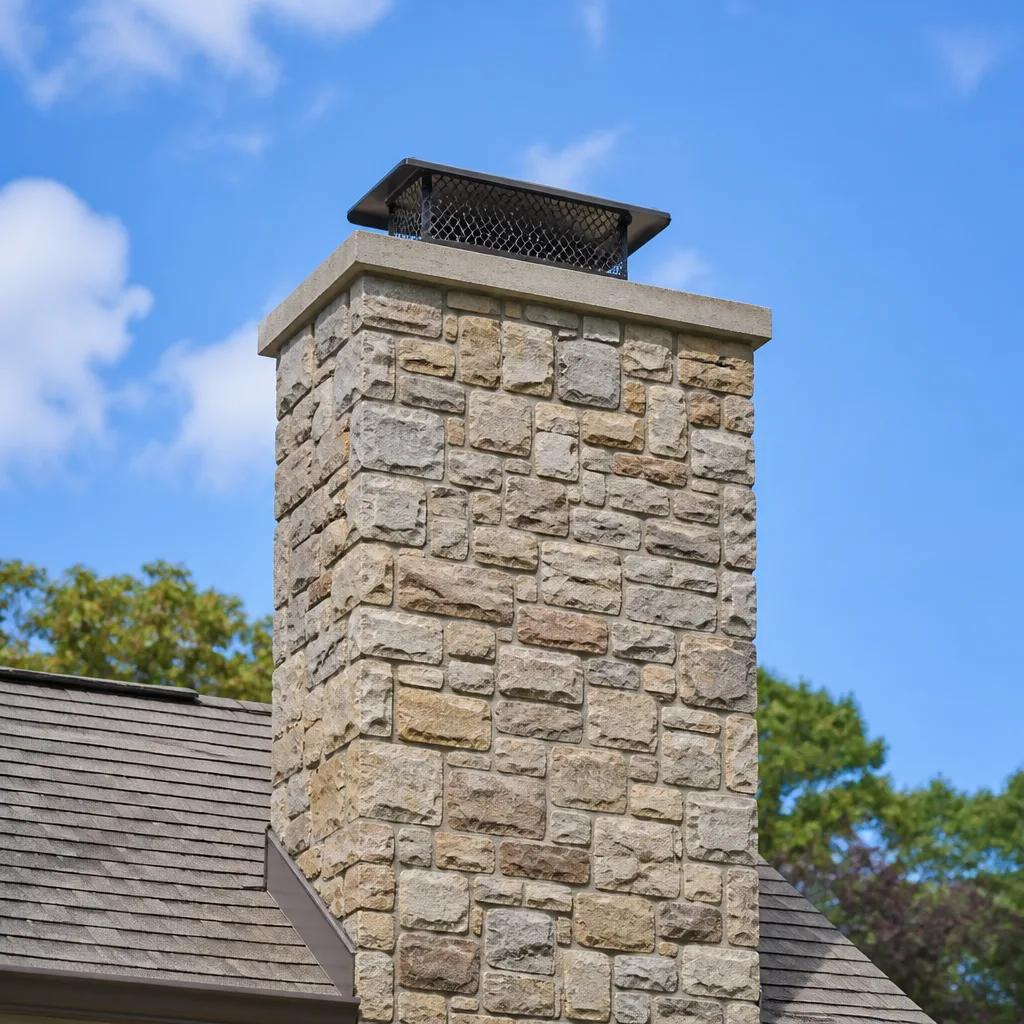
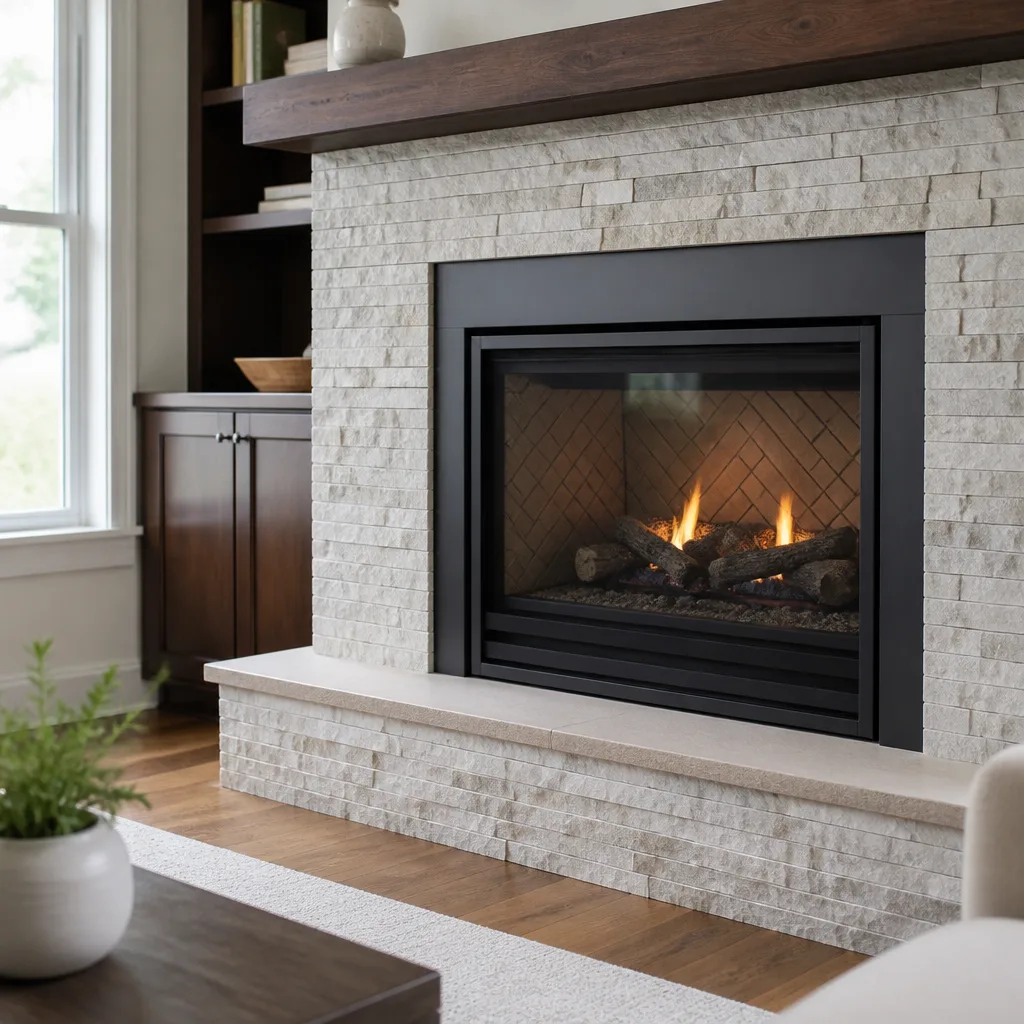
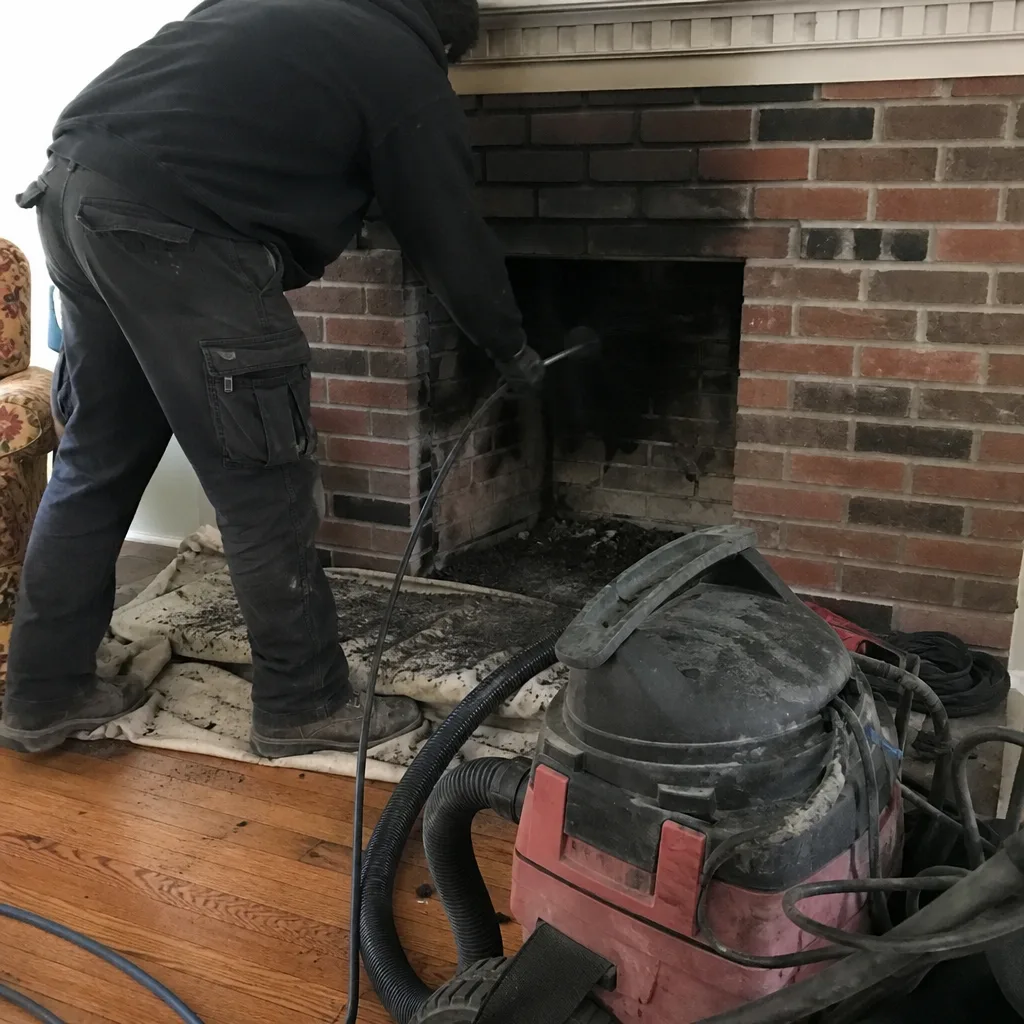 Before
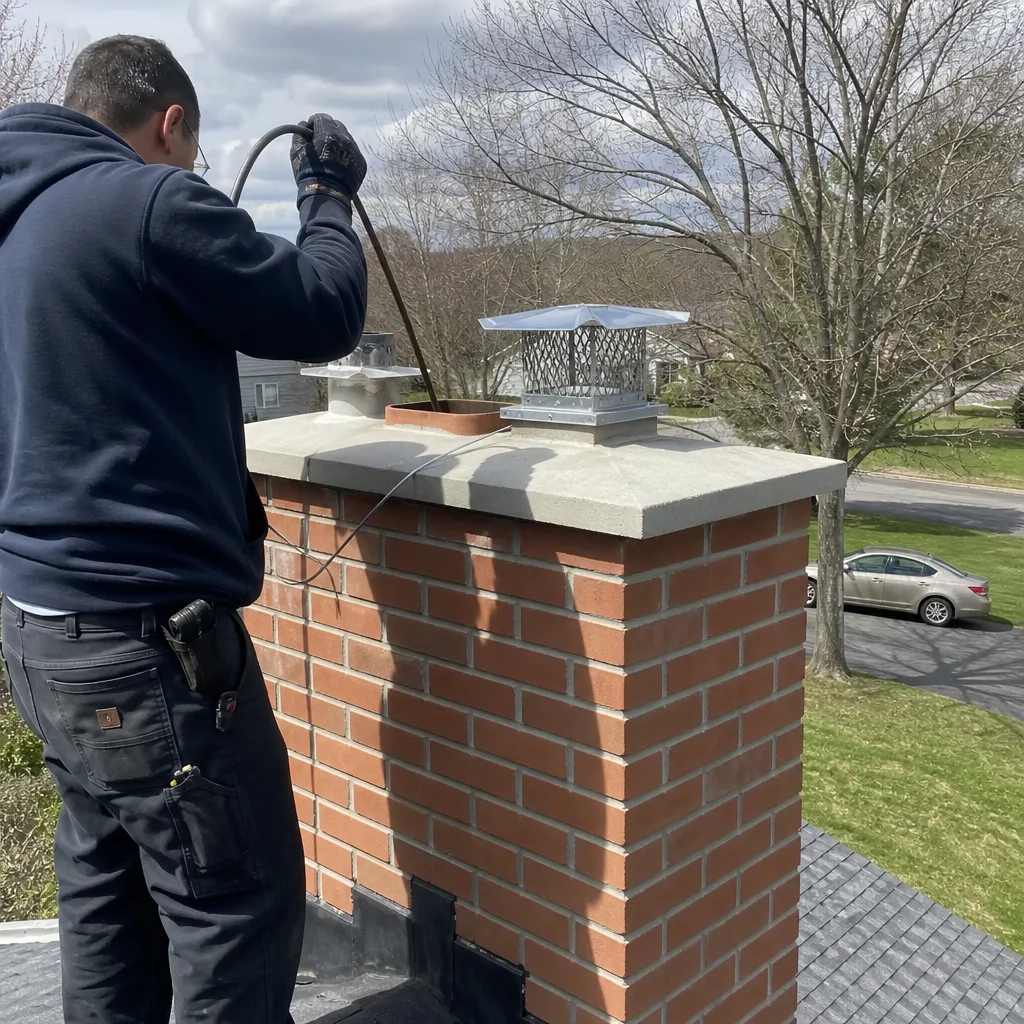 After
After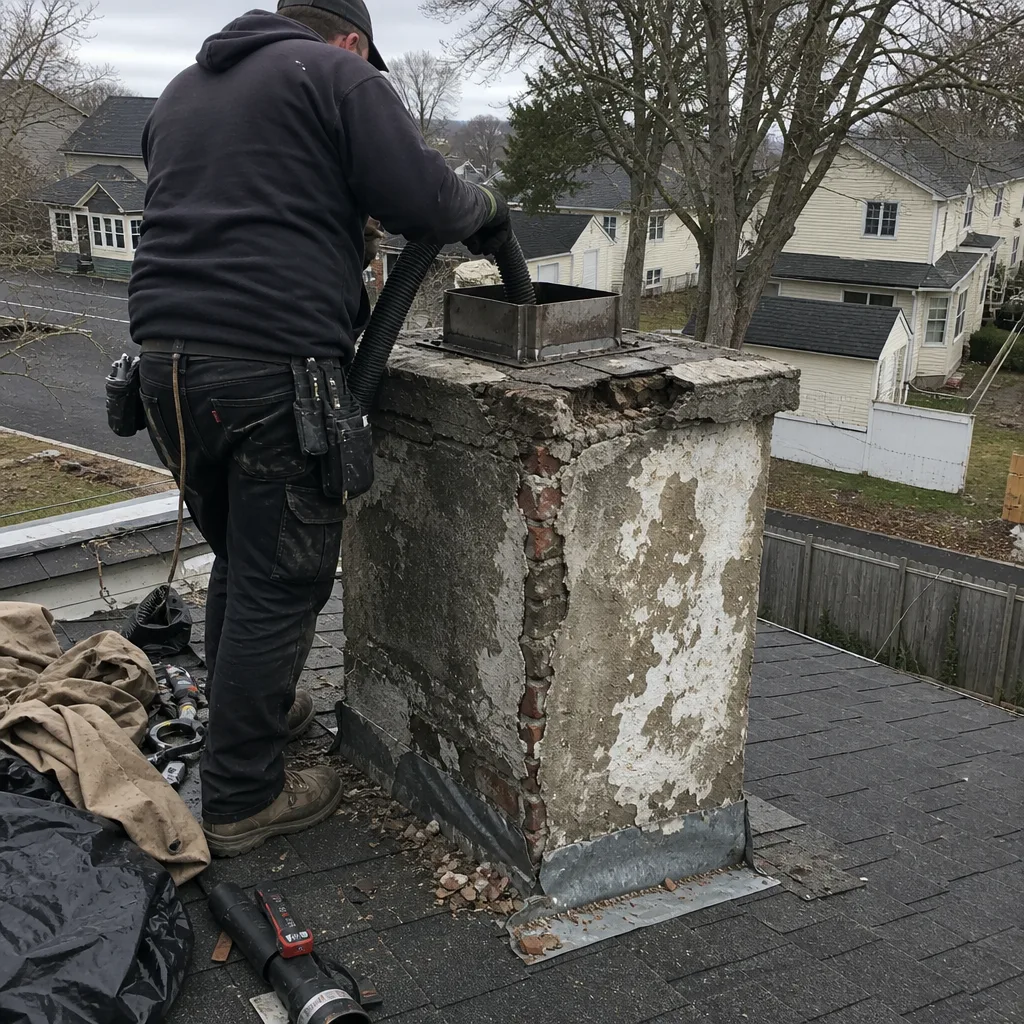 Before
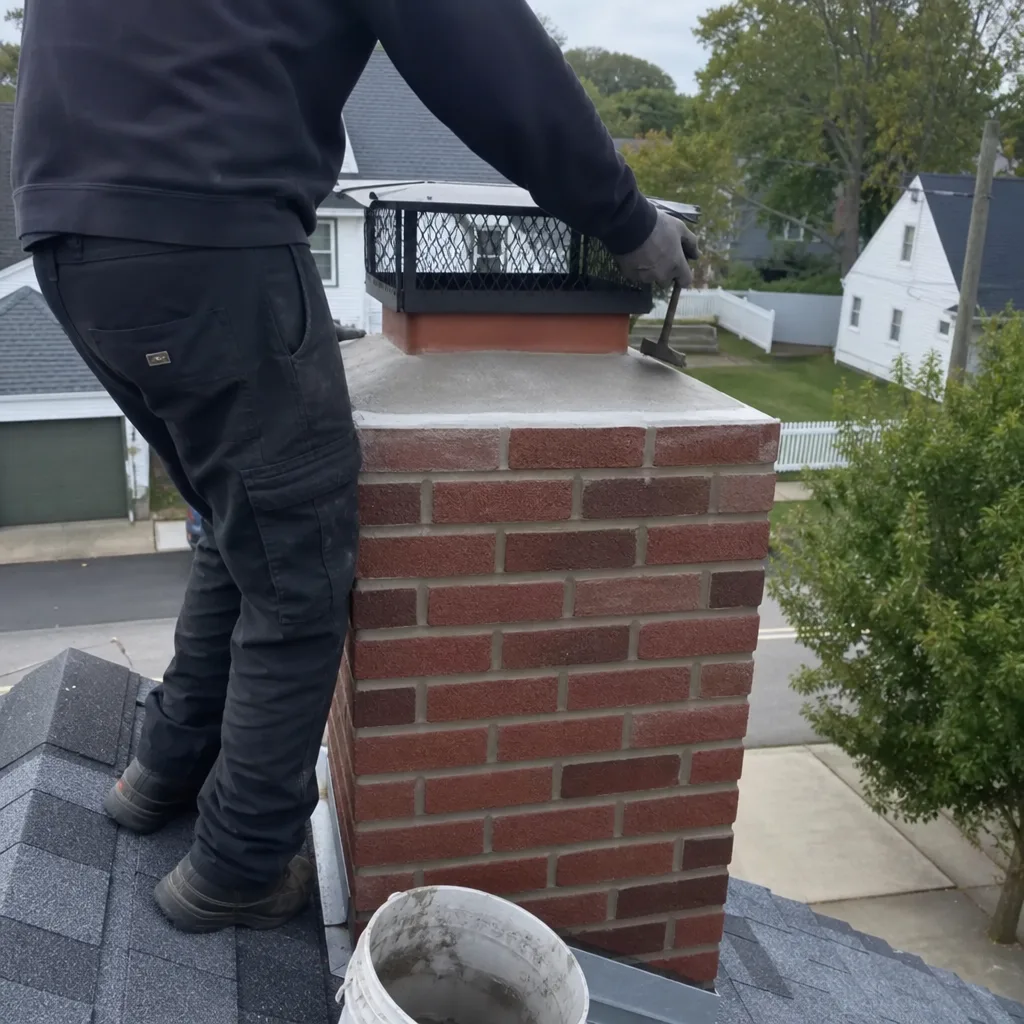 After
After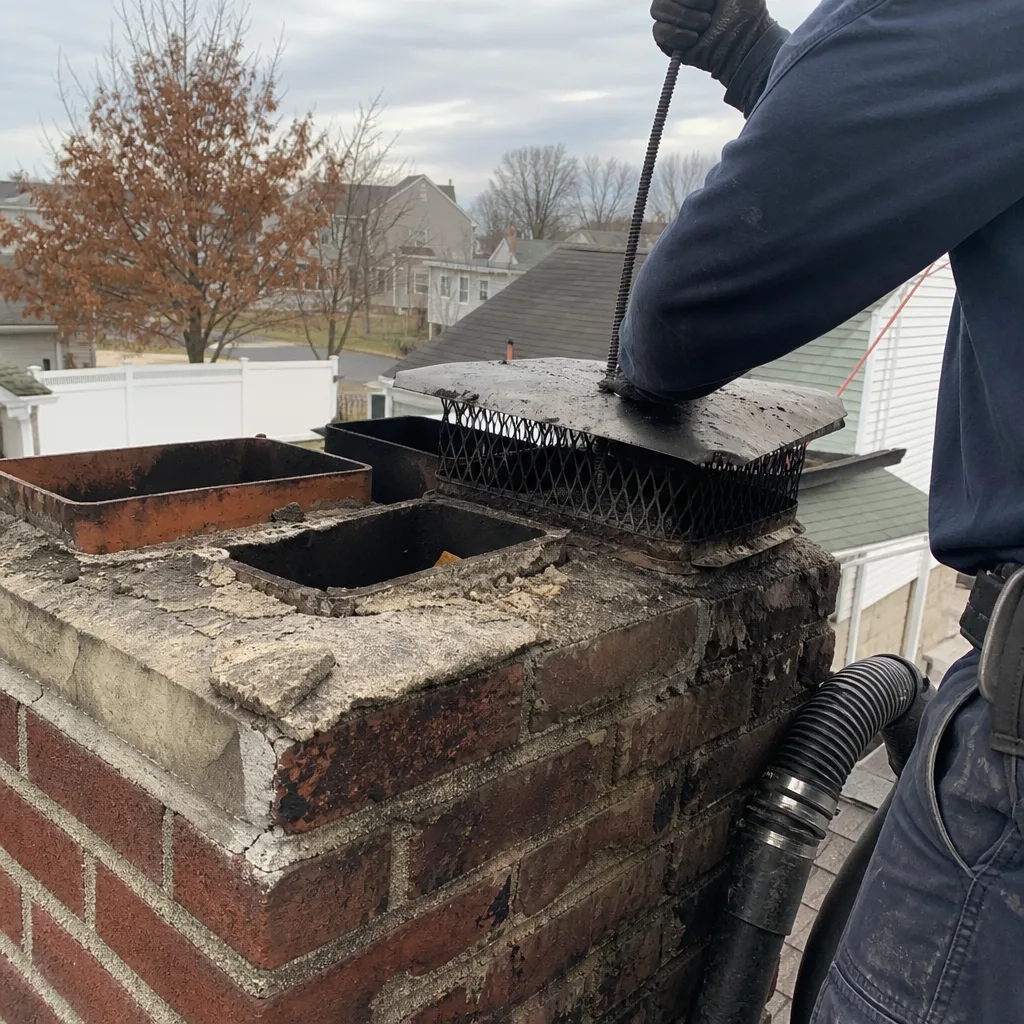 Before
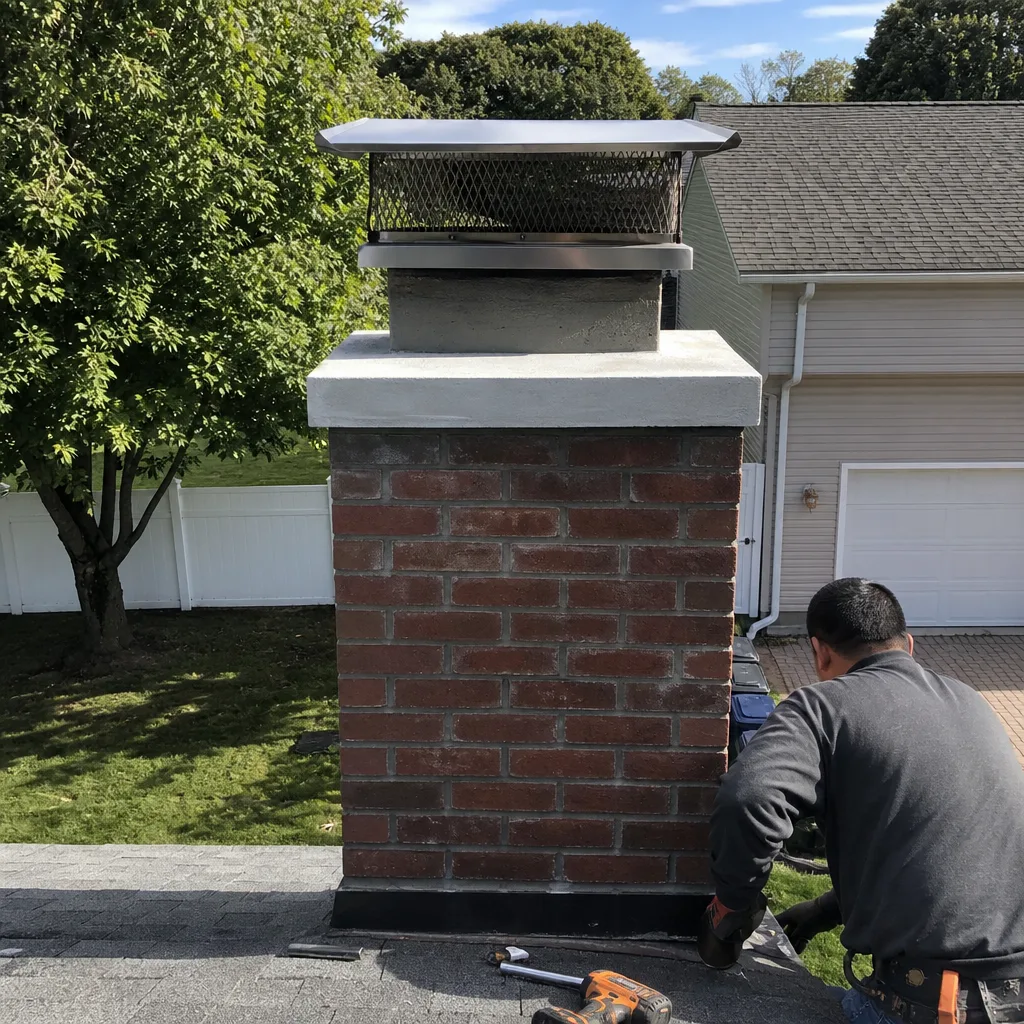 After
AfterThe Complete Guide to Chimney Cleaning in Freeport
The CSIA estimates that chimney fires cause over $125 million in property damage annually. In coastal communities like Freeport, that figure understates the real risk. Salt-laden air from the Atlantic accelerates flue liner deterioration and hardens creosote faster than inland climates, which means homeowners who follow generic once-a-year advice may be running behind. This guide explains what chimney cleaning actually means on a 1960s Cape Cod two blocks from the water, why standard schedules don’t always apply here, and how to tell whether a sweep is doing the work or just going through the motions. For more guides & resources, see our blog.
Quick Answer
Chimney cleaning in Freeport, NY involves brushing the flue, inspecting the liner for salt-air damage, and documenting the condition with photos. Most homes near the South Shore need Level 1 or Level 2 inspections annually, with additional checks after nor’easters. A proper sweep takes 45-90 minutes and should leave you with visible evidence of what was found, not just a verbal thumbs-up.
Table of Contents
- What Makes Freeport Chimneys Different from Inland Homes
- Level 1, Level 2, and Level 3 Inspections Explained
- What Actually Happens During a Chimney Cleaning
- What a Photo-Documented Inspection Report Should Contain
- Older Freeport Homes and Clay Tile Liner Evaluation
- Shortcuts to Watch For
- What It Costs and When to Schedule
- Maintenance Between Professional Sweeps
What Makes Freeport Chimneys Different from Inland Homes
Freeport sits on Long Island’s South Shore, roughly two miles from the Atlantic at its closest point. That proximity shapes everything about how chimneys age here.
Salt-laden air penetrates masonry year-round, not just during storm season. The chloride ions in ocean air accelerate corrosion of metal flue liners and hardware. We’ve pulled apart caps in Baldwin Harbor and Merrick where stainless steel components showed pitting that would take a decade to develop in Hauppauge or Smithtown. In Freeport neighborhoods like Randall Park and the Nautical Mile area, this means a liner that looks sound in year five may show hairline cracking by year eight.
Humidity compounds the problem. Coastal humidity keeps creosote tacky longer after fires, then the salt crystallizes within the deposits. The result is harder, more adhesive buildup that standard brushes sometimes struggle to remove. Inland sweeps working with softer, drier creosote may not recognize what they’re seeing when they encounter South Shore flues.
Nor’easters and hurricane-force wind events add mechanical stress. A 2021 storm lifted chimney caps throughout Nassau County. Homes that didn’t lose caps outright often suffered shifted crowns or cracked wash, which then allowed water intrusion that accelerated liner damage. After any significant wind event, a visual check from the ground isn’t sufficient.
The housing stock matters too. Much of Freeport was built between 1940 and 1980, with peak construction in the 1950s and 60s. These homes typically have:
- Clay tile flue liners, often 8×8 or 8×12, installed when codes were less specific about sizing
- Masonry chimneys without proper crown overhang or drip edges
- Original fireboxes with throat dampers rather than top-sealing models
- No chimney caps, or caps added decades later as retrofits
Each of these characteristics changes what cleaning should involve. A sweep who treats a 1965 Freeport ranch like a 2005 Colonie colonial is missing critical differences.
We’ve also noticed that homes south of Sunrise Highway, closer to the water, show accelerated deterioration in the top third of the chimney. The stack effect pulls moist salt air down through the flue when the fireplace isn’t in use, concentrating exposure at the top. Homes north of Merrick Road see the pattern less severely. This isn’t speculation. We’ve documented it in inspection photos across hundreds of Freeport visits since 2014.
Level 1, Level 2, and Level 3 Inspections Explained
The National Fire Protection Association defines three inspection levels in NFPA 211. Most homeowners never hear the terms until something goes wrong, but understanding the distinction protects you from both inadequate work and unnecessary upselling.
Level 1 Inspection
This is the standard annual inspection for chimneys that haven’t changed and are performing normally. The technician examines readily accessible portions of the chimney exterior, interior, and connecting appliances. No special tools or climbing equipment required. A Level 1 includes:
- Visual check of the chimney exterior for cracks, spalling, or leaning
- Examination of the firebox for damaged brick, missing mortar, or deteriorated refractory panels
- Assessment of the damper operation and condition
- Basic flue inspection with a flashlight, checking for obstructions and creosote buildup
- Verification that clearances to combustibles are maintained where visible
For a Freeport home with no recent changes, burning seasoned wood, and no weather events, a Level 1 with cleaning is appropriate.
Level 2 Inspection
Required when any of these apply: the property is changing hands; the appliance or flue liner is being replaced; there has been a chimney fire or operational problem; or a significant weather event has occurred. Level 2 adds:
- Video camera inspection of the entire flue interior, from firebox to cap
- Examination of attics, crawl spaces, and basements where chimney pass through
- Assessment of proper clearances in concealed areas
- Documentation with photos or video the homeowner can review
After Hurricane Ida’s remnants hit Freeport in 2021, we performed Level 2 inspections for dozens of homeowners who saw no visible damage but wanted verification. In several cases, we found cracked tiles shifted by wind loading that a Level 1 would have missed entirely. The camera doesn’t lie, and the footage belongs to the homeowner.
At Hearthstone Chimney Co., our Level 2 inspections end with photos you can see and a plain-English verdict. Documented like an engineer, explained like a craftsman. No verbal-only reports.
Level 3 Inspection
This is invasive and reserved for suspected hazards that can’t be confirmed otherwise. It may involve removing drywall, chimney crown sections, or interior masonry. Level 3 is not routine and should never be the starting point. If a company recommends Level 3 without clear justification, get a second opinion. We offer free second opinions on any written estimate.
Freeport-specific guidance: After any nor’easter with sustained winds over 50 mph, or any event where you hear debris striking the chimney, schedule a Level 2. The cost difference from Level 1 is modest; the information gap is enormous.
What Actually Happens During a Chimney Cleaning
A proper chimney cleaning follows a sequence. Skipping steps saves time for the sweep, not the homeowner. Here’s what the work should look like from arrival to departure.
Step 1: Exterior Cap and Crown Inspection
We start at the top. The cap keeps rain, animals, and debris out of the flue. We check mesh condition, fastener integrity, and whether the cap is properly sized (a common retrofit error). The crown, the concrete slab topping the chimney, should shed water with a proper slope and overhang. In Freeport, we’ve replaced more crowns than we can count where the original builder poured flat concrete with no drip edge, essentially funneling water into the masonry.
Step 2: Flue Brushing
The technician selects brushes matched to the flue dimensions and liner material. For clay tile, polypropylene brushes clean without scoring the tile surface. For stainless steel liners from manufacturers like DuraFlex or Olympia Chimney, we use softer bristles that won’t compromise the metal.
Rotary cleaning with a powered system removes hardened creosote more effectively than hand brushing alone. In Freeport’s salt-hardened conditions, this matters. The technician runs the system from both top and bottom, verifying complete passage. We collect all debris; nothing falls into the firebox uncontrolled.
Step 3: Smoke Chamber and Firebox Cleaning
The smoke chamber, the area above the damper that funnels smoke into the flue, accumulates creosote and often shows parging deterioration. We brush the chamber walls and inspect for exposed brick or corbelled construction that may need refractory parging with products like HeatShield.
The firebox itself gets vacuumed and inspected for cracked refractory panels, deteriorated mortar joints, or rusted grate supports. In older Freeport homes, we sometimes find original firebrick that has spalled from decades of thermal cycling.
Step 4: Damper and Throat Inspection
The damper must open fully, close tightly, and operate smoothly. A stuck or warped damper wastes energy and can prevent proper draft. We lubricate, adjust, or recommend replacement as needed. Top-sealing dampers from Gelco or Copperfield often make sense for Freeport homes, as they seal at the cap level rather than the throat, keeping warm air in and salt air out.
Step 5: Documentation and Verdict
Before packing up, we photograph findings and explain them. You’ll know whether the chimney is ready for the season, what if anything needs attention, and whether any recommended work can wait. No surprises on the bill. The number on the estimate is the number on the invoice.
What a Photo-Documented Inspection Report Should Contain
A verbal verdict is worthless if you need to file an insurance claim, dispute a home sale condition, or simply remember what was said six months later. Every inspection report should give you permanent, reviewable evidence.
Here’s what we deliver after every Level 2 inspection in Freeport:
- Flue interior photos at multiple depths, showing tile condition, joint alignment, and any cracks or spalling
- Crown and cap images from above, documenting slope, cracks, and fastener condition
- Firebox and smoke chamber photos, including close-ups of any refractory damage
- Damper operation video or sequential photos showing full range of motion
- Exterior masonry images from ground level, noting spalling, efflorescence, or leaning
- Written narrative in plain English, not technical code references, explaining what each image shows and what it means for operation and safety
- Prioritized recommendations with clear indication of what is urgent, what should be planned, and what is optional
The report belongs to you. We don’t withhold it or present it as a sales tool. It’s documentation of your home’s condition, period.
We’ve reviewed reports from other companies where “clean and inspect” meant ten minutes with a brush and a verbal “looks fine.” In one case on South Bayview Avenue, a homeowner called us for a second opinion after such a report. Our camera found a detached flue tile three feet down that had been creating a gap allowing exhaust into the chimney wall cavity. The previous sweep had never run a camera. Photos you can see, a plain-English verdict. That’s the standard.
Older Freeport Homes and Clay Tile Liner Evaluation
Clay tile liners were the standard for residential construction through the 1970s. They’re durable in ideal conditions, but they’re brittle, and they don’t tolerate the thermal or mechanical stress that modern appliances can impose. In Freeport’s coastal environment, they face additional challenges.
Salt air accelerates mortar joint deterioration between tiles. We’ve found joints eroded to powder in liners that looked sound from the firebox. The camera reveals what the eye cannot.
Thermal shock from improper firing (cold starts with accelerants, or closing the damper too soon) cracks tiles. Once cracked, tiles can’t be repaired in place; replacement or relining is required. DuraFlex stainless steel liners and HeatShield cerfractory flue sealant are the two primary remediation approaches we use, depending on the extent of damage and the appliance being served.
Sizing is another issue. Many Freeport homes were built with 8×8 flues serving fireplaces that modern codes would require to be larger. An undersized flue can’t establish proper draft, leading to smoke spillage and accelerated creosote accumulation. During cleaning, we verify sizing against appliance specifications. If there’s a mismatch, we explain it and discuss options.
Clay tiles also shift during foundation settling, which is common in Freeport’s sandy, coastal soils. A shifted tile creates a gap that allows exhaust gases into the chimney structure. This is not always visible from below. The camera inspection is essential.
We never recommend liner replacement without photo evidence you can see yourself. If a company tells you your liner is “shot” but can’t show you why, that’s a red flag. Our chimney repair in Freeport page details the relining process for when it’s genuinely needed.
Shortcuts to Watch For
Not every sweep performs the full sequence. Here are specific shortcuts we’ve encountered in Freeport and surrounding Nassau County communities, and what they cost you.
- Brushing only from the top or only from the bottom. Complete cleaning requires access from both directions. Single-direction brushing leaves debris and missed sections, particularly in offset flues common in 1960s construction.
- No camera inspection during a Level 2. If you’re paying for Level 2, demand the video. A flashlight check of a clay tile flue from below reveals perhaps 15% of the surface area.
- Vacuuming without containment. Proper equipment uses HEPA filtration and sealed hoses. We’ve seen soot blown through household vacuum systems, contaminating the home.
- Skipping the smoke chamber. The smoke chamber is where many chimney fires start. Brushing the flue alone and ignoring the chamber is incomplete work.
- No written report. Verbal reports can’t be referenced, disputed, or submitted to insurance. Insist on documentation.
- Recommending work without showing cause. Any recommendation for liner replacement, crown rebuild, or masonry repair should come with specific photo evidence. “Trust me, it needs it” is not sufficient.
- Using improper brush materials. Wire brushes on clay tile score the surface, creating nucleation points for creosote buildup. Polypropylene or specified softer materials are correct.
The 90-Day Done Right Promise exists because we stand behind our work. If it’s not done right, we make it right. In writing, no arguing. But that promise only applies to companies that do the work correctly in the first place.
What It Costs and When to Schedule
Pricing for chimney cleaning in Freeport varies with the scope of work and the condition we find. These ranges reflect our actual 2024-2025 pricing for typical Freeport homes:
| Service | Typical Range | What’s Included |
|---|---|---|
| Level 1 Inspection with Cleaning | $189 – $259 | Exterior visual, flue brushing, firebox cleaning, basic damper check |
| Level 2 Inspection with Cleaning | $289 – $389 | Everything in Level 1 plus full camera inspection, attic/crawl space check, photo report |
| Level 2 after Weather Event | $289 – $389 | Same as standard Level 2; schedule within 30 days of event |
| Smoke Chamber Parging | $450 – $850 | HeatShield application where chamber walls are exposed or deteriorated |
| Crown Repair/Resurfacing | $350 – $750 | Crack sealing or full resurfacing with proper slope and drip edge |
Our $89 Seasonal Tune-Up, available during early booking periods, covers a condensed inspection and basic cleaning for straightforward systems. The permanent 5% Senior and Veteran discount applies to all services. We also offer $50 off any repair over $250.
Scheduling matters in Freeport. The pre-heating-season rush begins in late September. By mid-October, we’re typically booking two to three weeks out. Homes that burn regularly (more than three times weekly during season) should be cleaned before the first fire. Occasional users can often schedule through November without issue, though we don’t recommend pushing past Thanksgiving.
After nor’easters, our call volume spikes. If you’ve scheduled annual cleaning for October and a March storm hits, don’t wait until the next cycle. The inspection cost is modest compared to undetected damage.
Maintenance Between Professional Sweeps
Professional cleaning annually (or more frequently for heavy use) is non-negotiable. But homeowner attention between visits extends chimney life and improves safety.
Burn only seasoned hardwood. In Freeport, that typically means oak or maple stored dry for at least twelve months. Softwoods like pine produce more creosote. Never burn treated lumber, painted wood, or household waste; the chemicals damage liners and create toxic deposits.
Check the cap seasonally. From the ground, verify it’s present, straight, and intact. After high winds, a shifted cap is visible if you know what to look for.
Monitor for these warning signs:
- Smoke entering the room during operation
- A strong, acrid odor from the fireplace when not in use
- Visible creosote flakes in the firebox
- Damper that sticks or won’t fully close
- Water staining on interior chimney walls or nearby ceiling
- White efflorescence on exterior brick (indicates moisture migration)
Install and maintain working smoke and carbon monoxide detectors on every level. A blocked or damaged flue can force CO into living spaces without visible smoke. This is not hypothetical. We’ve responded to calls where detectors alerted homeowners to problems the eye couldn’t see.
Do not attempt to clean the flue yourself. The work requires proper brushes, containment equipment, and the camera inspection that follows. More critically, roof access for top-down work involves fall risk, and disturbing hardened creosote without proper technique can create blockages. Leave this to trained professionals.
Common Mistakes to Avoid
- Assuming once-a-year is always sufficient. In Freeport’s salt-air environment, heavy users and homes within a mile of the water may need more frequent attention. The CSIA annual guideline is a minimum, not a universal rule.
- Hiring based on the lowest price alone. A $99 sweep that skips the camera, omits the smoke chamber, and leaves no report is not a bargain. It’s incomplete work that may leave hazards undetected.
- Ignoring the inspection after a clean sweep. Even a chimney that brushes clean can have liner damage, crown cracks, or clearance issues. The cleaning and inspection are complementary, not interchangeable.
- Delaying after weather events. We’ve found significant damage from storms that homeowners “meant to get checked” for months. Salt air continues working on exposed metal and cracked masonry every day you wait.
- Accepting verbal-only reports for real estate transactions. Buyers, sellers, and agents should insist on documented Level 2 inspections with photos. Verbal assurances don’t survive closing disputes.
- Using the chimney as a vent for other appliances without evaluation. Connecting a new furnace or water heater to an existing flue changes the thermal profile and may require liner resizing. Always have the configuration evaluated professionally.
- Neglecting the exterior. The prettiest firebox in Freeport won’t help if the crown is funneling water into the structure. Exterior maintenance is chimney maintenance.
When to Call a Professional
Call for an inspection if you smell smoke where it doesn’t belong, if your damper has changed in operation, if you’ve had a chimney fire (even a small one), or if it’s simply been more than a year since the last professional visit. After any nor’easter or significant wind event, schedule a Level 2 regardless of visible damage.
For new homeowners in Freeport, we strongly recommend a Level 2 inspection before the first fire, even if the previous owner “had it cleaned.” You deserve to know the condition yourself, with photos you can see and a plain-English verdict.
Hearthstone Chimney Co. offers free estimates in Freeport. A live person answers every call, 24 hours a day, 7 days a week. No voicemail, no callback queue. Call (631) 735-5125 to schedule, or visit our Chimney Cleaning & Sweep in Freeport page for more on our process.
Frequently Asked Questions
A standard Level 1 chimney cleaning and inspection in Freeport typically runs $189 to $259, while a Level 2 inspection with camera documentation ranges from $289 to $389. The exact price depends on the number of flues, accessibility, and what we find. Call (631) 735-5125 for a free estimate specific to your home.
At minimum, once annually for typical use. Homes within a mile of the South Shore, those burning more than three times weekly, or systems venting oil or gas appliances may need more frequent attention. After any nor’easter or hurricane-force wind event, schedule an additional Level 2 inspection regardless of your regular cycle.
Only if inspection evidence supports it. We recommend liner replacement when camera inspection shows cracked, shifted, or deteriorated tiles; when sizing is inadequate for the appliance; or when changing fuel types requires a compatible liner. We never recommend replacement without photos you can see yourself. Our Fireplace Services in Freeport page covers liner options in more detail.
Creosote accumulates, increasing fire risk and potentially restricting draft. In Freeport’s salt-air environment, liner deterioration continues unchecked, and minor crown or cap issues become major masonry repairs. Carbon monoxide exposure risk rises if the flue is compromised. The cost of deferred maintenance invariably exceeds the cost of regular care.
Cleaning removes deposits and obstructions. Inspection evaluates condition and safety. They’re related but distinct. A chimney can be dirty but sound, or clean but damaged. Both matter, which is why we bundle them and document everything.
We don’t recommend it. Proper cleaning requires matched brushes, containment equipment, and camera verification. Roof access creates fall hazard, and disturbing hardened creosote without proper technique can worsen blockages. For safety and thoroughness, hire a trained professional with proper insurance and equipment.
Request the photo documentation and written report before they leave. Verify the smoke chamber was addressed, not just the flue. Check that debris was contained and removed, not left in the firebox or dumped in your yard. A quality sweep welcomes these questions. We’ve been answering them for over 42 years.
The Bottom Line
Chimney cleaning in Freeport is not a commodity service. The salt air, older housing stock, and weather exposure on Long Island’s South Shore create conditions that inland guides don’t address. A proper cleaning means brushing from cap to firebox, inspecting with a camera, documenting with photos, and explaining findings in plain English. Anything less leaves you guessing about the safety of your home.
We’ve served Freeport and surrounding communities since 2014, and Hearthstone Chimney Co. has been in business for over 42 years. We plan to be here in thirty more. That changes how we treat every home we enter. Done right, and we stand behind it. In writing, no arguing.
For a free estimate on chimney cleaning, inspection, or repair, call (631) 735-5125 anytime. A live person will answer. We’ll be there when we say. And you’ll get photos you can see, with a plain-English verdict.
Written by Russell Haines, Owner at Hearthstone Chimney Co., serving Freeport since 2014.