
Last updated September 10, 2026
Level 1 sweep and inspection to the NFPA 211 annual standard - flue, crown, cap, and flashing checked and photographed
Chimney sweep logs do not sweep chimneys. They loosen some creosote - which then falls where a brush and vacuum still have to collect it.
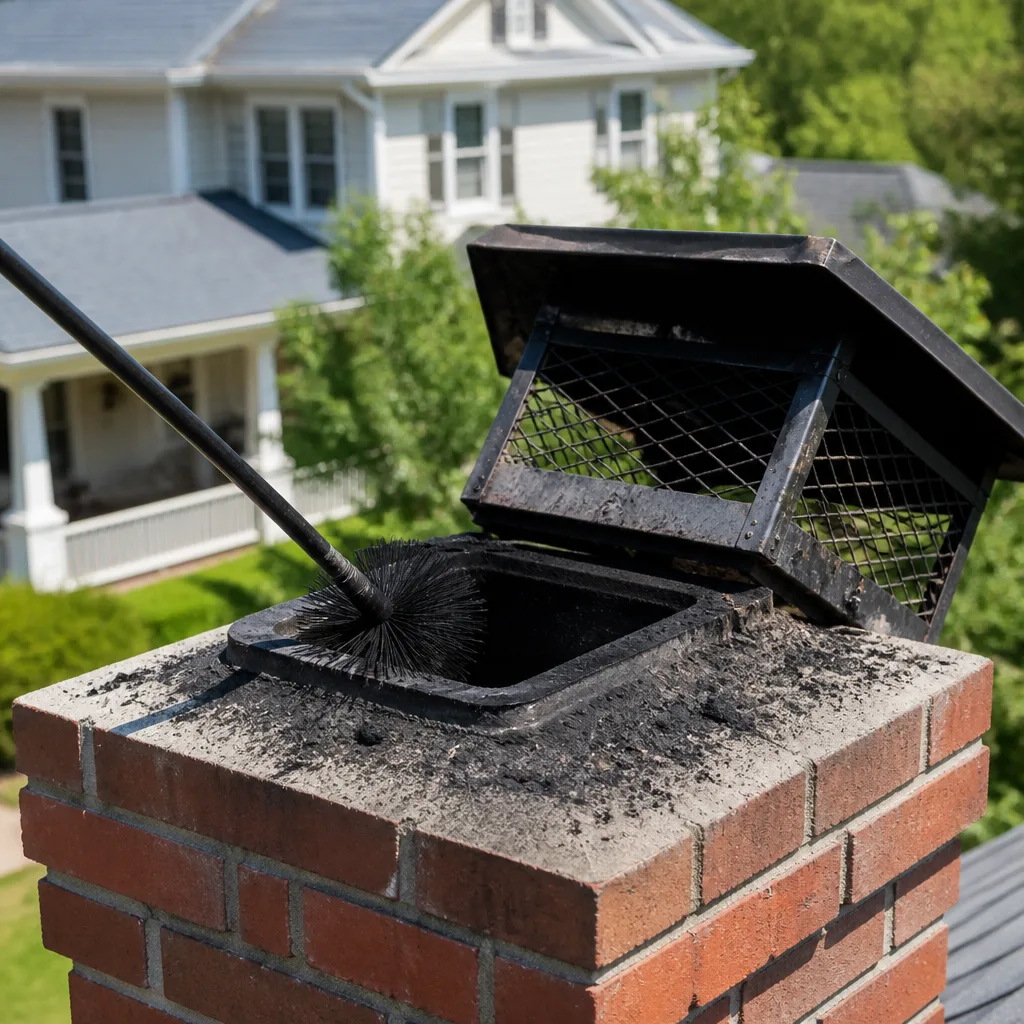
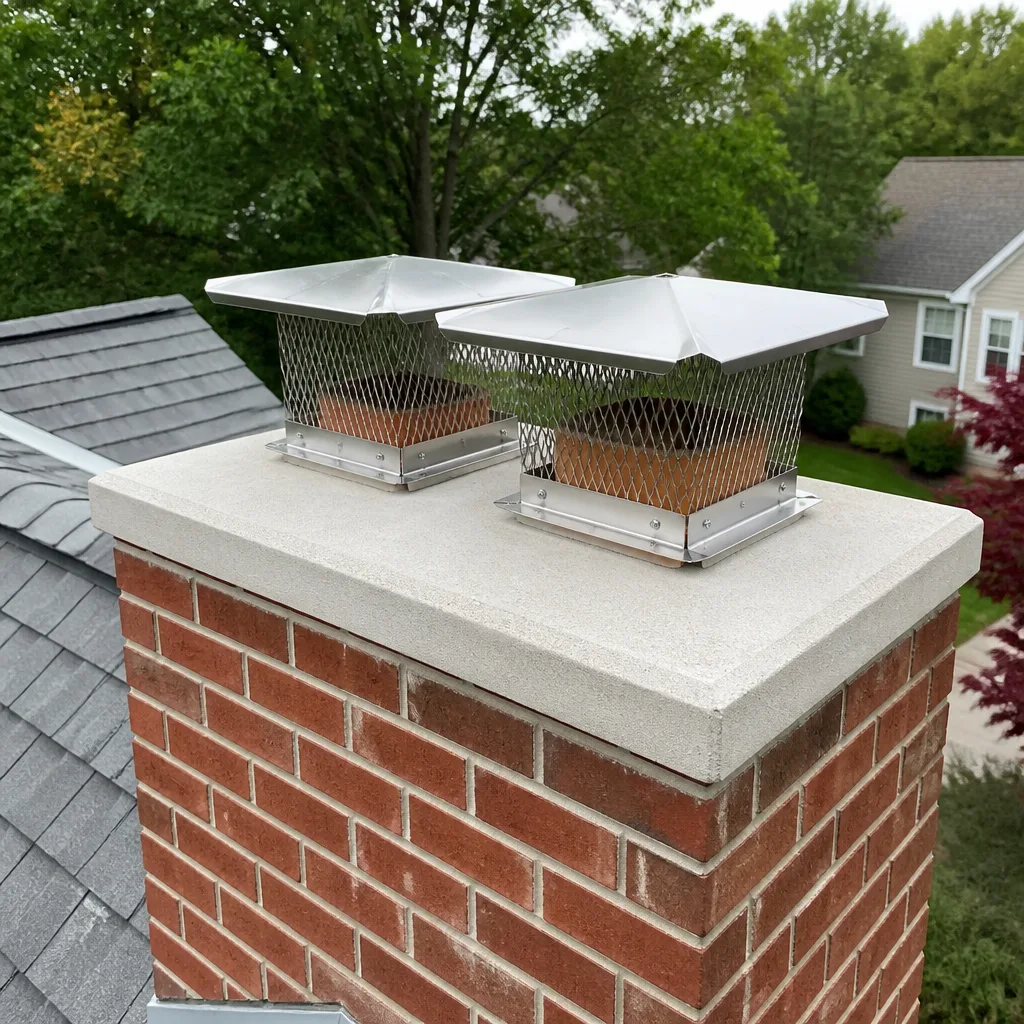
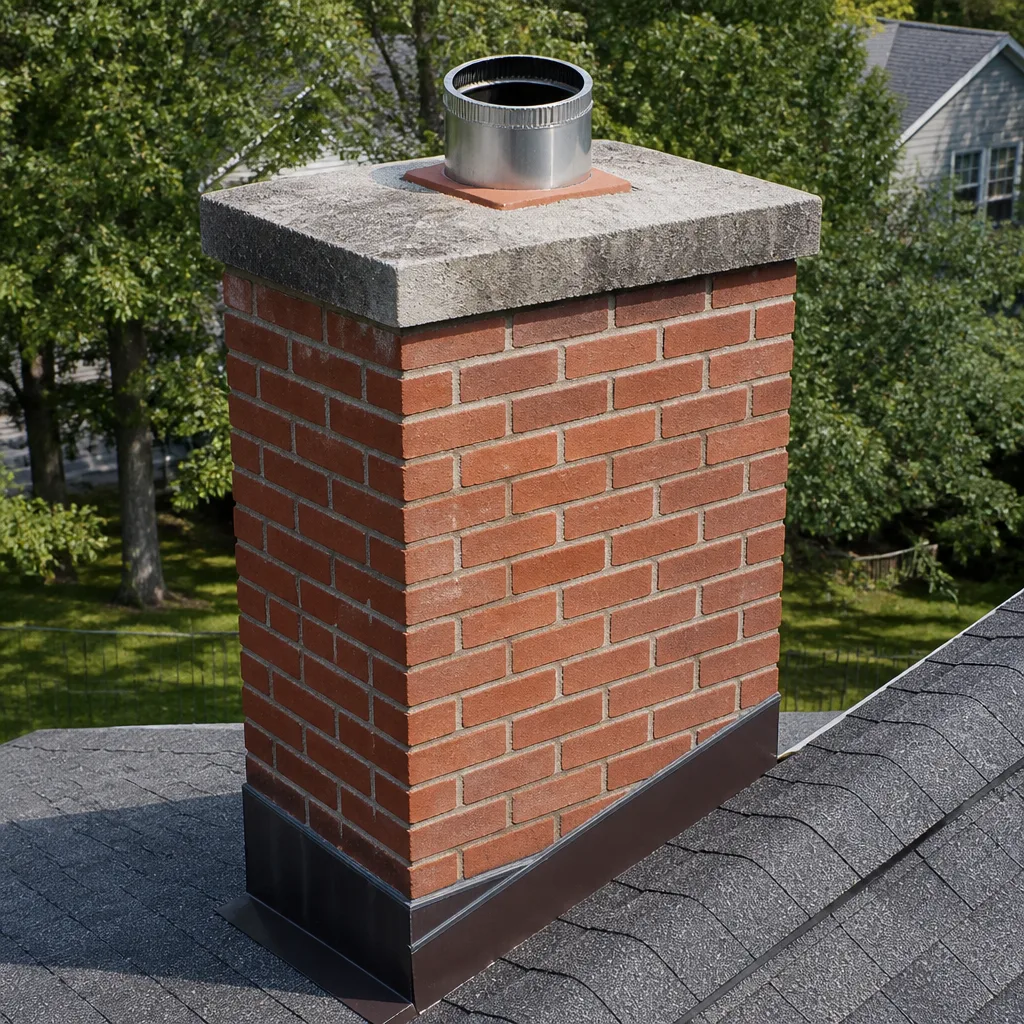
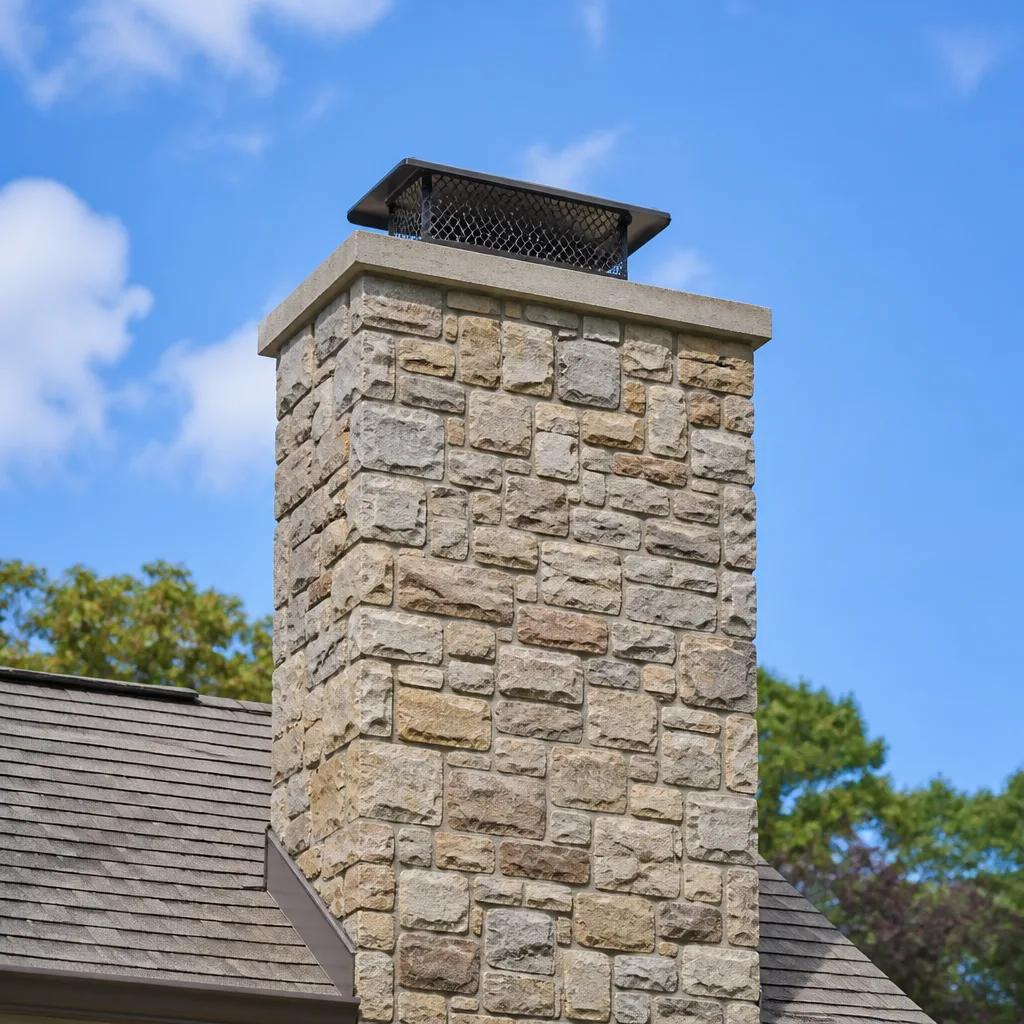
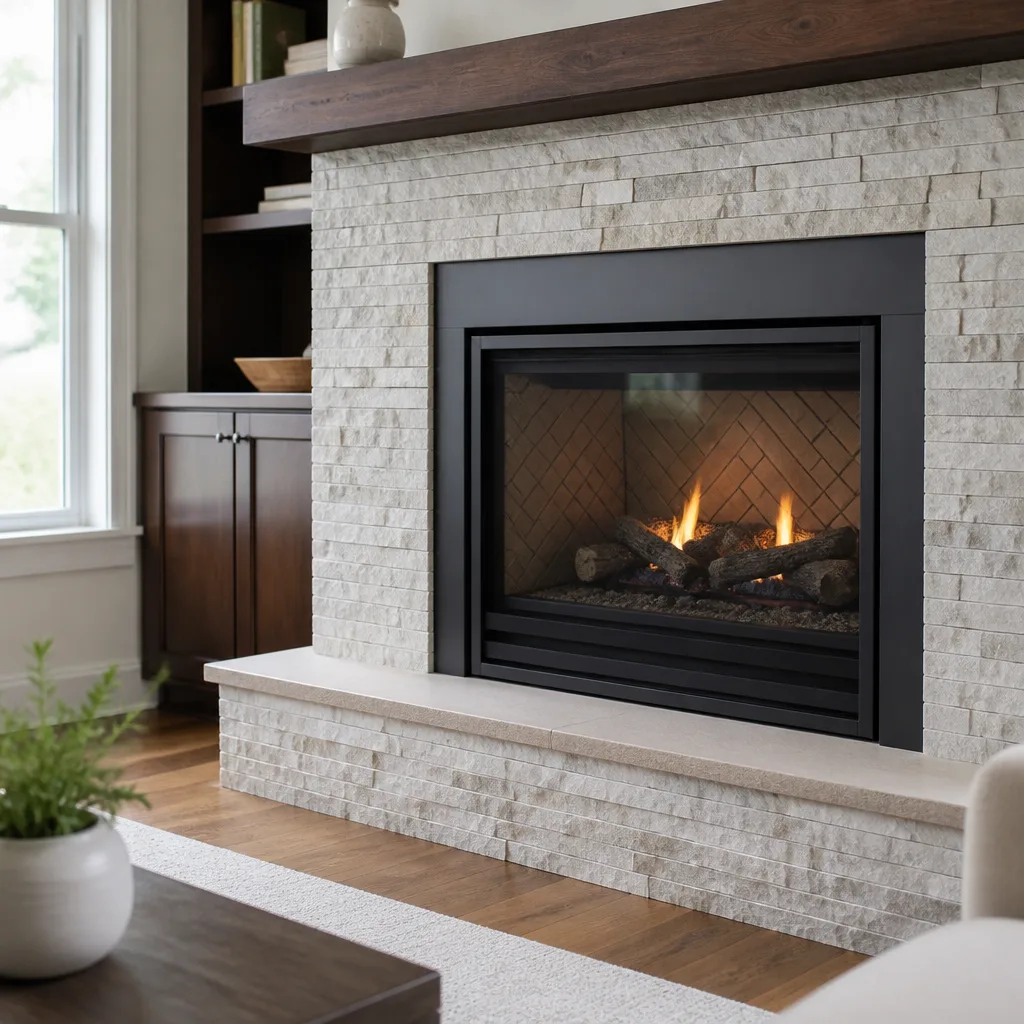
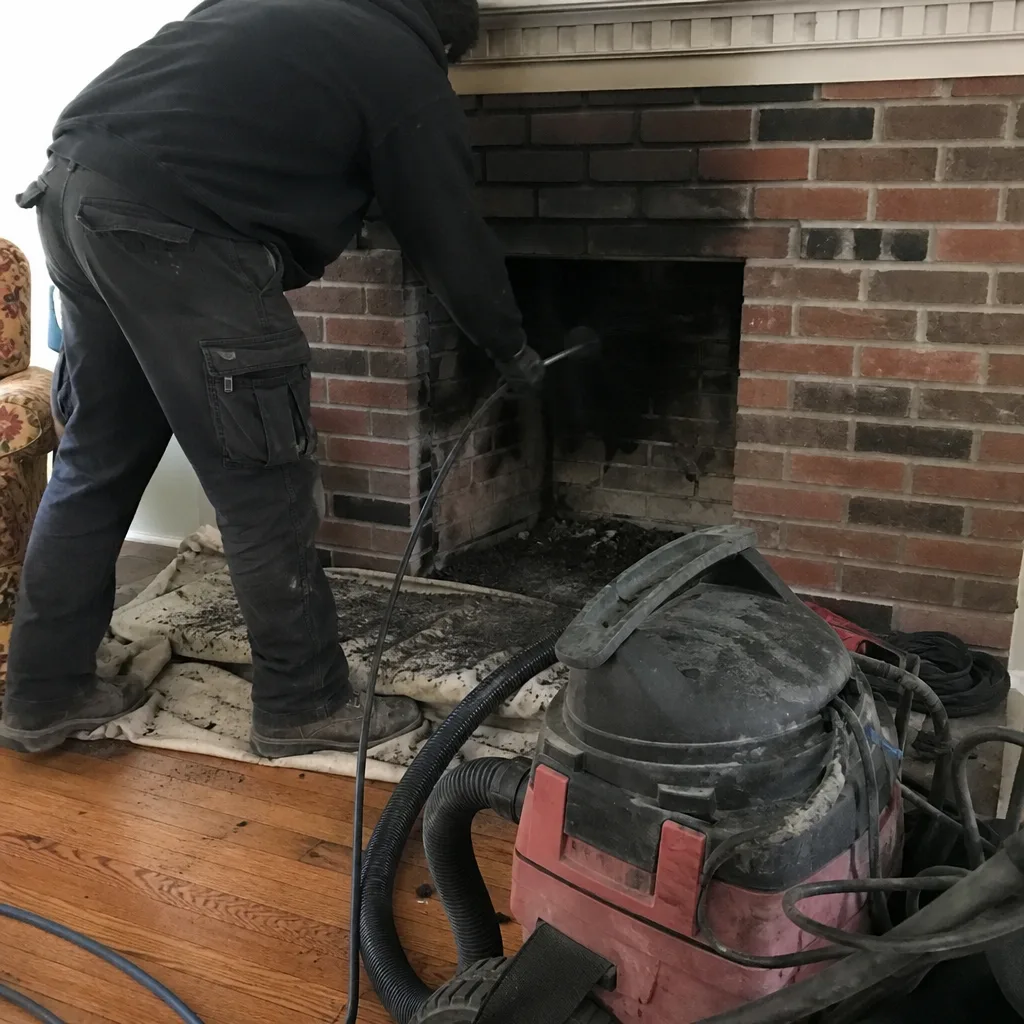 Before
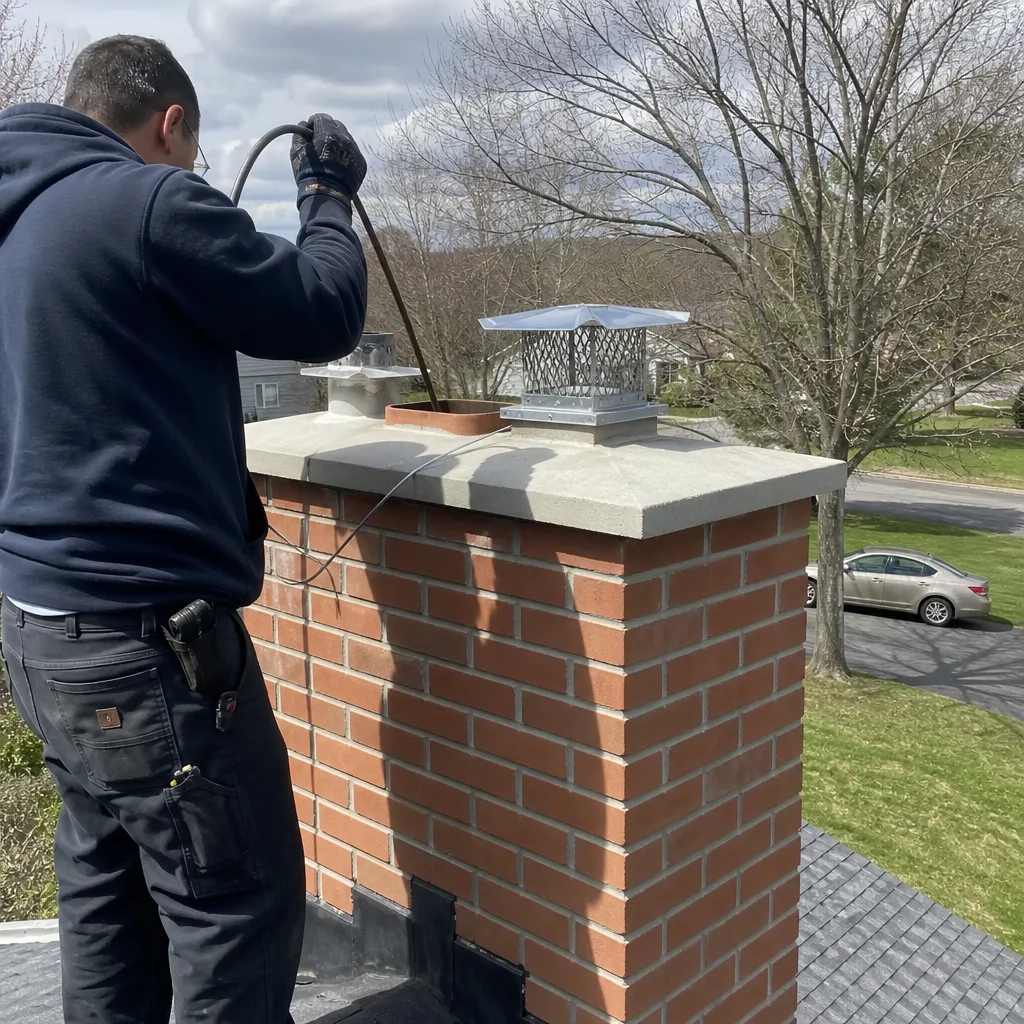 After
After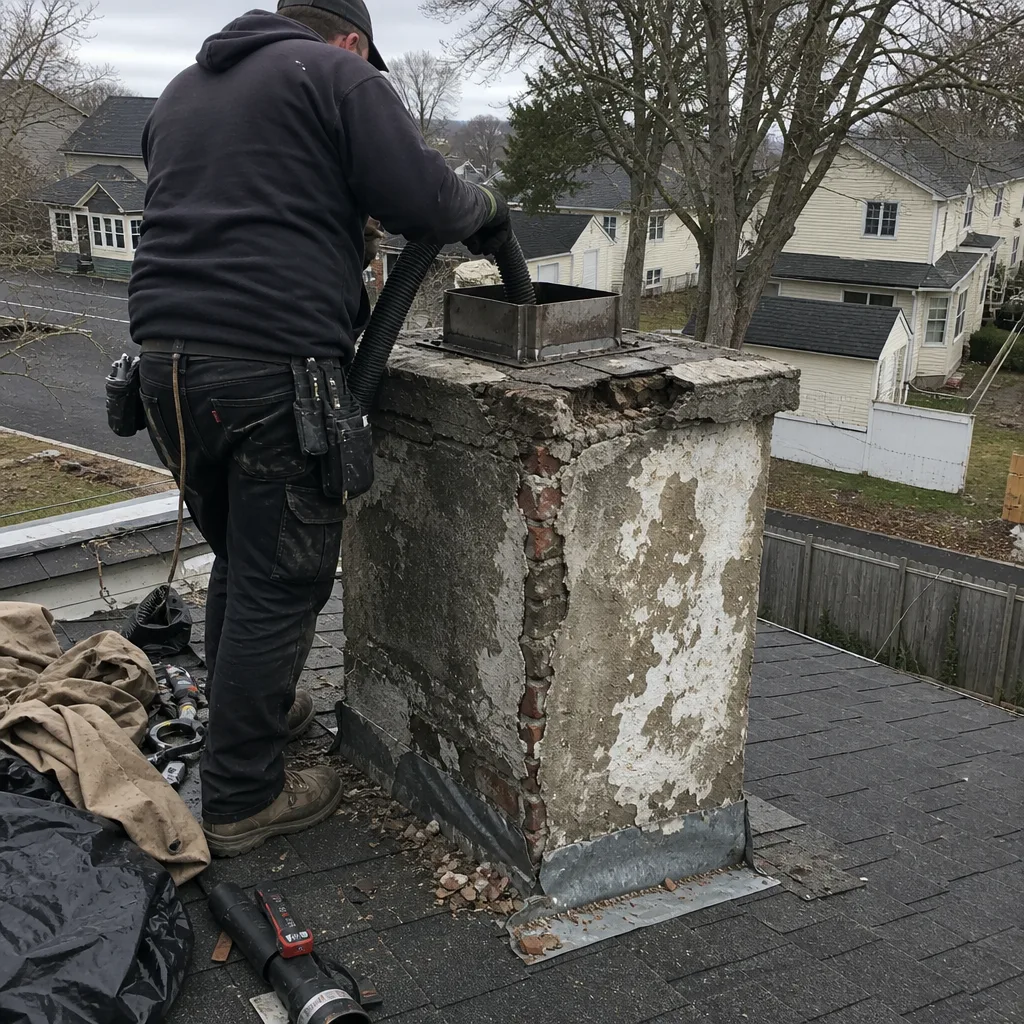 Before
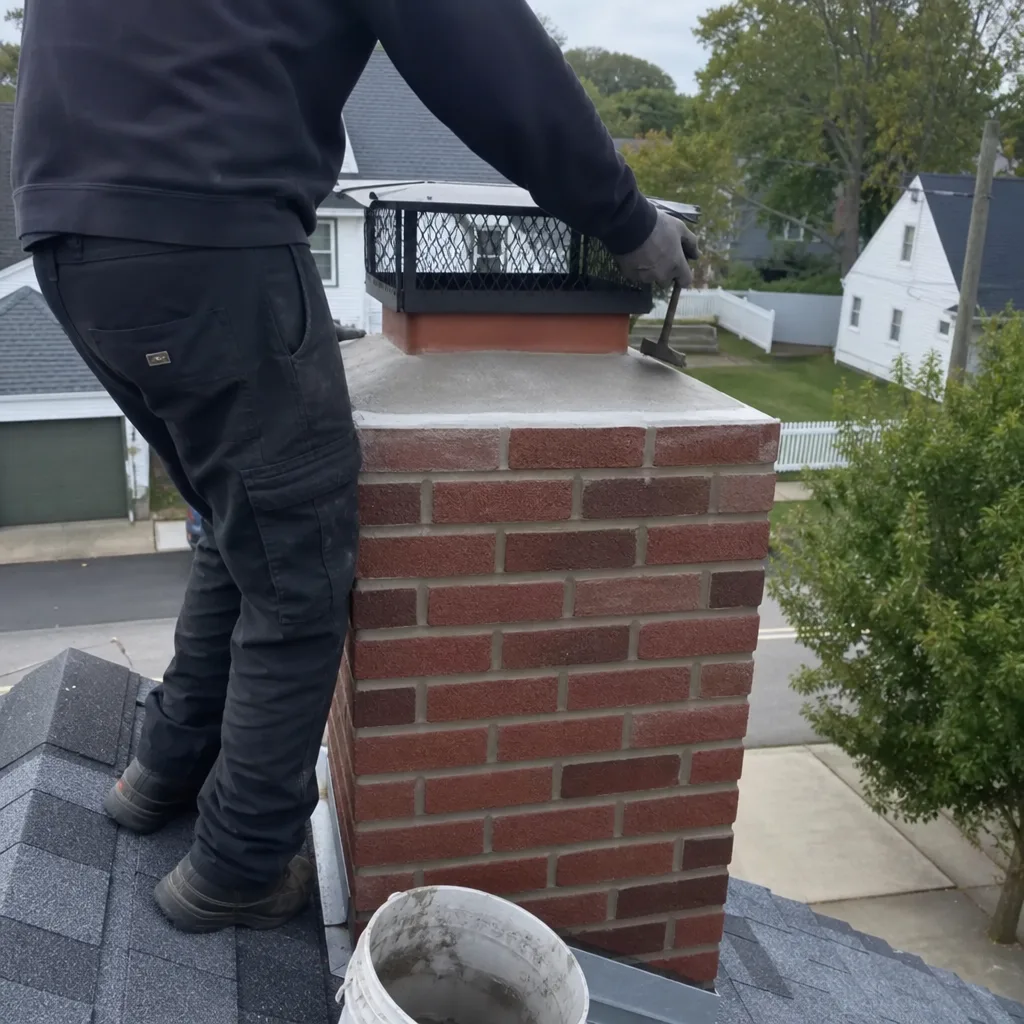 After
After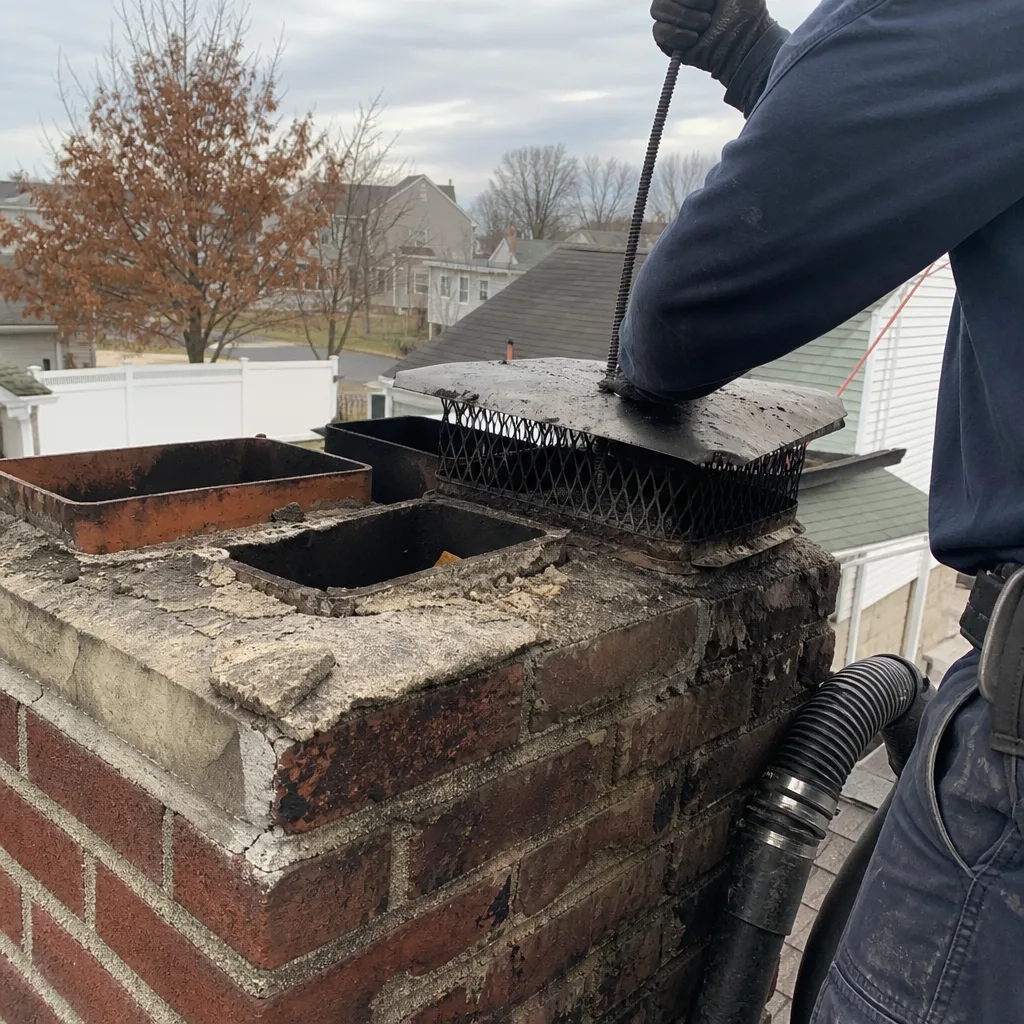 Before
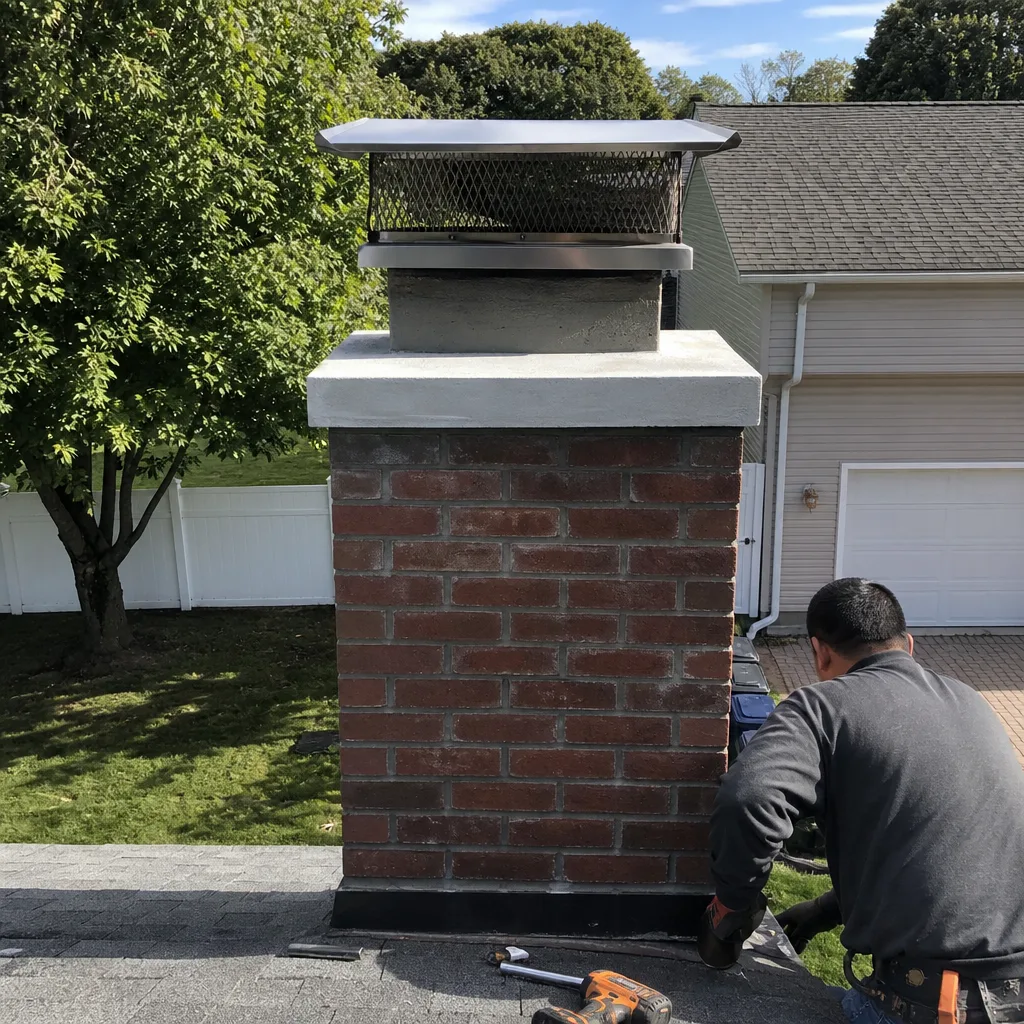 After
AfterDIY vs Professional Chimney Cleaning: The Freeport Homeowner’s Decision Guide
A homeowner with the right brush kit, a drop cloth, and two free hours can remove first-stage creosote from a straight flue. What they cannot do is identify a cracked liner, evaluate smoke chamber integrity, or know that what looks like soot is actually glazed third-degree creosote - the kind that doesn’t brush off and becomes a chimney fire fuel source. In this guide, we’ll show you exactly where the line falls for Freeport homes: which chimneys can be brushed safely by a capable owner, which configurations make DIY brushing physically impossible, and why cleaning and inspection are two separate jobs that matter equally. For seasonal chimney cleaning care Freeport homeowners can rely on year-round, understanding this distinction is essential. You’ll leave with an honest cost comparison, a clear read on your own chimney’s DIY eligibility, and no pressure either way.
Quick Answer
DIY chimney cleaning is practical only for straight, single-flue chimneys with light, first-stage creosote buildup - and only if you already own the right brush kit and aren’t afraid of roof work. For Freeport’s older housing stock, which includes offset flues, two-flue chimneys, and decades of accumulated third-degree creosote, professional cleaning with a Level-2 camera inspection is the safer and often more economical choice when you factor in equipment costs, disposal, and the value of documented findings. If you’re unsure where to start, see our step-by-step guide to hiring a chimney cleaning contractor in Freeport.
Table of Contents
- What DIY Chimney Cleaning Actually Accomplishes
- The Three Stages of Creosote and Why Stage Matters
- Freeport’s Chimney Stock: Why Flue Shape Decides Everything
- The True Cost of DIY vs. Professional Cleaning
- Cleaning vs. Inspection: Why One Does Not Replace the Other
- Insurance, Liability, and the Documentation Gap
- Safety Realities: Roof Work, Carbon Monoxide, and Chimney Fires
- How to Do DIY Chimney Brushing Right (If You Qualify)
What DIY Chimney Cleaning Actually Accomplishes
Let’s start with what a brush kit can actually do. A polypropylene or wire brush on extension rods, pushed up from the fireplace opening or down from the roof, will knock loose particulate matter - ash, soot, and first-stage creosote - from the flue walls. If your chimney is straight, relatively short, and the buildup is fresh and powdery, you’ll see a meaningful pile of debris on the drop cloth. The flue will look cleaner. Draft may improve slightly.
That’s the complete list of guaranteed outcomes.
What DIY brushing does not do:
- Remove glazed or third-degree creosote, which hardens into a tar-like coating that bonds to flue tile
- Clean smoke chambers, which are the angled walls above the firebox where creosote accumulates heavily
- Reach offset flues that change direction between floors
- Inspect for cracked flue tiles, deteriorating mortar joints, or liner gaps
- Evaluate chimney cap, crown, or flashing condition
- Test draft performance or carbon monoxide spillage
In our experience across Freeport and Nassau County, the homeowners who benefit most from DIY brushing are those with a simple, straight masonry flue in a single-story ranch who burn exclusively seasoned hardwood and clean annually before buildup hardens. That’s a narrow profile, and even then, we recommend a professional inspection every three to five years to catch what brushing cannot see.
The chimney cleaning and sweep services we provide in Freeport include both the mechanical cleaning and the camera inspection as standard - because one without the other leaves you half-informed.
The Three Stages of Creosote and Why Stage Matters
Creosote forms in three distinct stages, and the stage determines whether your brush kit is a useful tool or a waste of an afternoon. Here’s how to tell what you’re dealing with.
Stage 1: Sooty, Flaky, and Brushable
First-stage creosote looks like fine black dust or flaky soot. It brushes off easily with a standard poly brush. It forms when you burn dry, seasoned hardwood with adequate air supply. If you clean annually and your fires burn hot and complete, this is likely what you’ve got. A DIY kit handles this adequately.
Stage 2: Crunchy, Porous, and Partially Brushable
Second-stage creosote forms shiny black flakes or porous chips. It requires more aggressive brushing, often with a wire brush rather than poly. Some of it comes loose; some doesn’t. The remaining material continues to accumulate and will eventually reach Stage 3. DIY brushing at this stage is incomplete and can give a false sense of cleanliness.
Stage 3: Glazed, Hardened, and Not Brushable
Third-degree creosote is a glossy, tar-like, hardened coating that bonds to the flue surface. It looks like burnt caramel or obsidian glass. It does not brush off. Attempting to remove it with a homeowner brush kit will polish the surface without dislodging the material, and aggressive scraping can damage flue tiles.
Professional removal requires chemical treatment, rotary cleaning with specialized chains or whips, or in severe cases, chimney repair or relining. We’ve pulled hardened creosote deposits the size of a grapefruit from Freeport chimneys that the owner had “cleaned” every year with a hardware-store brush kit, never realizing the glaze was still there, thickening.
How to check your creosote stage before buying a brush kit:
- Wait 24 hours after your last fire for the flue to cool completely.
- Wear a respirator and gloves. Open windows for ventilation.
- Reach up through the fireplace opening and scrape the flue wall above the damper with a flat-head screwdriver.
- Examine what comes off on the blade:
- Black dust or flakes: Stage 1 - DIY brushing is viable
- Shiny chips that break apart: Stage 2 - partial DIY, professional recommended
- Glossy, hard, tar-like coating: Stage 3 - do not attempt DIY; call a sweep
Freeport’s coastal humidity and seasonal temperature swings accelerate creosote hardening. We’ve found Stage 3 buildup in chimneys that were brushed annually but never inspected, especially in homes near the water where salt air corrodes caps and lets moisture into the flue, accelerating glaze formation.
Freeport’s Chimney Stock: Why Flue Shape Decides Everything
Freeport’s housing architecture directly determines whether DIY brushing is physically possible. The village’s building stock spans from 1920s colonials and Cape Cods through post-war ranches to 1970s splits and contemporaries. Each era presents different flue configurations, and many make a standard brush kit useless or dangerous.
The Offset Flue Problem
Many Freeport ranches and Cape Cods built between 1945 and 1970 have offset flues - the flue makes a horizontal jog, usually where a first-floor fireplace connects to a chimney that runs up an exterior wall. A straight brush rod cannot navigate this offset. Pushing harder only risks getting the brush stuck, damaging the flue, or losing the rod assembly inside the chimney.
We’ve extracted stuck brush heads from Freeport chimneys where the homeowner tried to force an offset. The extraction itself becomes a billable service call. Professional sweeps use flexible cable systems and rotary tools designed for offsets, or we clean from the top down with specialized equipment.
Two-Flue and Three-Flue Chimneys
Colonials and larger homes in neighborhoods like Randall Park and the Bayview area often have two-flue chimneys - one for the fireplace, one for the furnace or water heater. DIY kits typically clean one flue at a time, but the critical issue is separation: a damaged partition between flues can allow exhaust gases to cross from the heating appliance flue into the fireplace flue, creating a carbon monoxide pathway into the living space. No brush kit detects this. Only a camera inspection does.
Metal Chimney Systems
Some Freeport homes, particularly splits and contemporaries from the 1960s and 70s, have factory-built metal chimneys with specific cleaning requirements. Using a wire brush on a stainless steel liner can scratch the surface, creating corrosion points. Using too-large a brush can damage the liner connection at the appliance adapter. These systems require brushes sized to the manufacturer’s specification - information most homeowners don’t have.
Height and Roof Access
Freeport’s two-story colonials and some elevated ranches require roof access for top-down brushing or for installing a chimney cap after cleaning. The roof pitch, coastal wind exposure, and lack of safe anchor points make this genuinely hazardous for homeowners without fall-protection equipment and experience. We’ve responded to calls where the homeowner started from the roof, decided it was too steep, and tried to clean from below - leaving the job half-done and the flue partially obstructed by dislodged debris.
The fireplace services we offer in Freeport include evaluation of your specific flue configuration before any work begins, so we bring the right equipment for your chimney’s geometry, not a one-size-fits-all brush.
The True Cost of DIY vs. Professional Cleaning
Most cost comparisons online are designed to sell one conclusion or the other. Here’s an honest accounting for a typical Freeport homeowner with a single fireplace, based on 2024-2025 equipment and service pricing in Nassau County. For a deeper dive, see our Chimney Cleaning Cost Breakdown: The Freeport Homeowner’s Reference for 2026.
DIY Chimney Cleaning: Full Cost Breakdown
| Item | Cost | Notes |
|---|---|---|
| Brush kit (brush + 6 rods) | $45-$85 | Poly for light buildup; wire for heavier |
| Drop cloths / plastic sheeting | $15-$25 | Heavy-duty; soot permeates cheap plastic |
| Respirator (N95 minimum, P100 recommended) | $20-$40 | Creosote particulate is carcinogenic |
| Safety glasses, gloves, headlamp | $25-$40 | Non-negotiable for eye and hand protection |
| Shop vacuum (HEPA filter required) | $80-$150 | Standard vacuums expel fine particulate; rental option $30/day |
| Debris disposal bags | $10-$15 | Creosote-soaked debris may not go in regular trash; check Town of Hempstead regulations |
| Chimney cap inspection / minor repair tools | $30-$60 | Basic caulk, flashing cement for small fixes |
| Total first-year DIY cost | $225-$415 | Recurring years: $30-$60 (brush replacement, disposal) |
| Your time | 3-5 hours | Setup, brushing, cleanup, disposal run; longer for first attempt |
Professional Chimney Cleaning in Freeport
| Service | Typical Range | What It Includes |
|---|---|---|
| Standard sweep (Level 1 inspection) | $175-$275 | Mechanical cleaning, basic visual inspection, debris removal |
| Level 2 camera inspection | $250-$400 | Full cleaning plus interior video scan, photo documentation, written condition report |
| Glazed creosote removal (Stage 3) | $400-$800 | Chemical treatment plus rotary mechanical removal; may require multiple visits |
The honest math: if you have a straight flue, already own a shop vacuum, and will clean annually for the next decade, DIY pays for itself after roughly three to four years. But that calculation assumes you’ll never need professional inspection, never encounter Stage 2 or 3 creosote, never damage the flue, and never need to factor in the value of your time. For most Freeport homeowners we meet, the break-even point recedes once they account for one professional call to address what DIY missed.
Our $89 Seasonal Tune-Up, available seasonally, brings professional cleaning within reach of the DIY equipment investment - with documentation, disposal handled, and findings you can see.
Cleaning vs. Inspection: Why One Does Not Replace the Other
This is the point most DIY guides obscure, and it’s the most expensive misunderstanding a homeowner can hold.
Cleaning removes combustible material from the flue. Inspection evaluates the system’s safety and integrity. They are separate procedures with separate purposes, and cleaning without inspection is like washing your car’s windshield without checking whether the brakes work.
A chimney can be perfectly clean and perfectly unsafe. We’ve inspected Freeport chimneys that the owner had brushed religiously every fall, only to find:
- Cracked flue tiles at the second bend, invisible from the firebox, creating a direct path for fire or gases into the wall cavity
- A deteriorated smoke chamber with eroded mortar, reducing draft and increasing creosote accumulation despite annual brushing
- A chimney liner with gaps at the joints, installed in the 1980s and slowly separating, allowing carbon monoxide to leak into the attic space
- Spalling brick and crown damage that let water infiltrate, freeze, and expand, compromising structural integrity
None of these conditions affect how easily the brush moves through the flue. None produce visible symptoms until they’re severe. A Level-2 camera inspection, which we include with every professional chimney cleaning in Freeport, documents the interior condition with photos you can see and a plain-English verdict on what requires attention now, what can wait, and what to monitor.
The K.E.Y.S. values code governs how we deliver this: Krafted right, Every time, Your home first, Standing behind it. That means we show you the photos before we recommend work. Nothing is suggested without evidence you can examine yourself.
Insurance, Liability, and the Documentation Gap
Here’s a question few homeowners consider until it’s urgent: if a chimney fire occurs after you’ve cleaned the chimney yourself, how does your insurance company evaluate the claim?
Homeowner’s insurance typically covers sudden, accidental chimney fires. But the adjuster will ask for documentation of maintenance. A DIY cleaning produces no documentation - no dated report, no photos, no professional certification. The insurer may reduce or deny the claim on the basis that the chimney was not properly maintained, or that the fire resulted from a condition (cracked liner, glazed creosote) that a reasonable owner would have had inspected.
By contrast, a professional cleaning with Level-2 inspection creates a dated, documented record. If the inspection found the system sound, that record supports your claim. If the inspection found a deficiency and you chose to defer repair, the documentation shows informed decision-making rather than neglect.
We are not insurance advisors, and policy language varies. But in 42 years of serving Freeport and surrounding communities, we’ve been called to document chimney conditions for insurance claims multiple times. The homeowners with professional inspection records fare better in those conversations than those without.
This is not a reason to panic-clean or to hire a sweep out of fear. It is a reason to understand that cleaning and documentation serve different protective functions, and that DIY brushing satisfies only half the equation.
Safety Realities: Roof Work, Carbon Monoxide, and Chimney Fires
Every real expert flags real danger. Here are the specific hazards of chimney work that DIY guides often minimize.
Roof Work
Chimney brushing from the top down requires roof access. Freeport’s coastal exposure means sudden wind gusts, especially on elevated roofs and near the water. A fall from a two-story roof causes life-altering injury or death. Professional sweeps use ladder stabilizers, roof anchors, and fall-arrest equipment that homeowners rarely own. If your chimney requires top-down access and you are not experienced with roof work at height, do not attempt this.
Carbon Monoxide
An obstructed or damaged flue can cause carbon monoxide to back up into living spaces. CO is odorless, colorless, and lethal at sufficient concentration. Symptoms of low-level exposure - headache, nausea, fatigue - mimic common illness. A homeowner brushing their chimney without testing draft performance or inspecting for liner damage has no way to verify that the system vents properly after cleaning. We test draft and perform visual inspection of appliance connections as part of every professional service.
Chimney Fires
Third-degree creosote ignites at approximately 451°F - roughly the ignition temperature of paper. A chimney fire can reach 2,000°F, cracking flue tiles, warping metal liners, and penetrating wall cavities. The fire may be contained within the flue or may extend to the structure. A homeowner who has brushed their chimney annually, never realizing glazed creosote remained, faces this risk without knowing it. Professional inspection identifies the glaze before it becomes fuel.
We do not tell you this to frighten you into a service call. We tell you because these are the actual stakes, and a craftsman does not hide the real risks behind vague warnings.
How to Do DIY Chimney Brushing Right (If You Qualify)
For the minority of Freeport homeowners whose chimneys fit the DIY profile - straight single flue, Stage 1 creosote, comfortable with roof access or able to clean from below - here’s how to do it correctly and safely.
Step 1: Verify Your Eligibility
Confirm all of the following before purchasing equipment:
- Single, straight flue with no offset or bend
- Annual burning of seasoned hardwood; no softwood, painted wood, or trash
- Stage 1 creosote confirmed by screwdriver scrape test
- Safe roof access if cleaning from top, or sufficient ceiling height to rod from below
- No previous chimney fire, known liner damage, or structural concerns
Step 2: Gather Proper Equipment
- Brush sized to your flue diameter (measure with a tape measure; common sizes are 6″, 7″, 8″, or 10″ round, or various rectangular dimensions)
- Extension rods sufficient for your chimney height (measure from firebox to top; add 20% for working length)
- Heavy drop cloths covering 10 feet around the fireplace; seal the fireplace opening with plastic sheeting and tape to contain dust
- N95 or P100 respirator, safety goggles, nitrile or work gloves, long sleeves and pants
- HEPA-filtered shop vacuum or rental unit
- Flashlight or headlamp for flue examination
Step 3: Execute the Cleaning
- Wait 24+ hours after last fire for complete cooling.
- Seal fireplace opening with plastic sheeting; cut small access hole for rods.
- From below: attach brush to first rod, insert through access hole, push up with twisting motion. Add rods as needed. Use up-and-down scrubbing motion at top of flue. Reverse to remove.
- From above: lower brush down flue with rods, working in sections. Requires assistant at fireplace opening to guide brush and manage rods.
- Vacuum all debris from smoke shelf, firebox, and surrounding area. Dispose of creosote-soaked material per Town of Hempstead guidelines - do not burn it.
- Inspect brush for excessive wear; replace if bristles are damaged or missing.
Step 4: Know When to Stop and Call
If you encounter resistance that suggests an offset, if the brush emerges with tar-like residue indicating Stage 3 creosote, if you see cracks or damage in the flue tile, or if you cannot safely complete roof access - stop. These are not failures. These are findings that indicate your chimney requires professional evaluation.
Our Hearthstone Chimney Co. home page lists our full service range, and we’re available to complete a job you’ve started or to inspect what your brushing revealed.
Common Mistakes to Avoid
- Using the wrong brush material. Wire brushes on stainless steel liners scratch and corrode; poly brushes on heavy glazed creosote accomplish nothing. Match brush to flue material and creosote stage.
- Cleaning from below without sealing the fireplace opening. Soot and creosote dust will permeate your living room, HVAC system, and upholstery. The cleanup cost often exceeds professional service.
- Forcing rods through an offset. A stuck brush assembly requires professional extraction and may damage flue tiles. Freeport’s offset flues in ranches and Capes are particularly prone to this.
- Assuming annual brushing equals annual inspection. Many Freeport homeowners believe they’re maintaining their chimney because they brush it yearly. Without camera inspection, you’re cleaning blind.
- Burning creosote debris. It’s concentrated fuel. Disposing of it in your firebox or outdoor burn pile risks uncontrolled ignition and violates local burning regulations.
- Ignoring the smoke chamber. The area above the damper and below the flue collects heavy creosote but is inaccessible to standard brush kits. It’s a common fire origin point that DIY cleaning misses entirely.
When to Call a Professional
Call a sweep rather than attempting DIY if your chimney has any of the following: offset flue, two or more flues, metal factory-built construction, previous chimney fire, suspected liner damage, Stage 2 or 3 creosote, or roof access you cannot manage safely. Also call if you simply want the job done completely - cleaning, inspection, documentation, and disposal handled - without spending your Saturday afternoon in soot.
Hearthstone Chimney Co. offers free estimates in Freeport. A live person answers every call, 24 hours a day, 7 days a week - not a voicemail, not a callback queue. Our background-checked, uniformed technicians complete most jobs in a single visit, with no-hassle upfront pricing so the number on the estimate is the number on the invoice. Every job is backed by the 90-Day Done Right Promise in writing: if it’s not right, we make it right, no paperwork and no arguing.
Call (631) 735-5125 to schedule your free estimate or to discuss whether your specific chimney qualifies for DIY maintenance. You can also browse more guides & resources on chimney care and home safety.
Frequently Asked Questions
A standard chimney sweep with Level 1 inspection in Freeport typically runs $175 to $275, while a Level 2 camera inspection with full cleaning ranges from $250 to $400. The exact price depends on flue accessibility, creosote stage, and whether additional services like cap repair or crown sealing are needed. Call (631) 735-5125 for a free estimate - the number we quote is the number you’ll pay.
You need a new liner only if the existing one is damaged, improperly sized, or missing - and only if that condition is documented with camera evidence you can see yourself. In Freeport, we commonly find clay tile liners cracked by thermal shock or age, and unlined brick chimneys in pre-1950s homes that were never built with a liner at all. We do not recommend liner replacement without photo documentation and a plain-English explanation of why it’s necessary. Some conditions can be repaired with HeatShield refractory sealant rather than full replacement.
The National Fire Protection Association recommends annual inspection for all chimneys, with cleaning as needed based on creosote accumulation. In Freeport’s climate - humid summers, heating-season winters, coastal salt air - we find that most wood-burning chimneys need cleaning every year to year-and-a-half, while gas and oil flues may go two to three years between cleanings if draft performance remains good. The specific interval depends on your burning habits, fuel type, and flue configuration. An annual inspection determines whether cleaning is needed that season.
Skipped cleaning allows creosote to accumulate and harden from Stage 1 to Stage 2 or 3, making future removal more difficult and expensive. In Freeport’s older housing stock, accumulated creosote combined with deteriorated liners or missing mortar joints creates genuine fire and carbon monoxide hazards. The incremental cost of annual maintenance is minor compared to the cost of remediating a chimney fire, replacing a damaged liner, or repairing heat-compromised framing. That said, we never recommend work you don’t need - if inspection shows minimal buildup and sound condition, we’ll tell you to wait.
Fireplace cleaning logs contain chemicals that slightly loosen creosote, making it somewhat easier to brush away. They do not remove creosote on their own, they do not inspect for damage, and they are not a substitute for mechanical cleaning or professional evaluation. We occasionally see homeowners in Freeport’s South Grove area who’ve used logs for years without brushing, believing the chimney is clean. The glazed creosote we find in those flues contradicts that belief.
Gas fireplaces produce minimal creosote but can accumulate debris, nesting material, and deteriorated liner particles. The venting system still requires periodic inspection for obstruction, corrosion, and proper draft. In Freeport, we’ve found bird nests, deteriorated chimney caps, and disconnected venting in gas systems that the owner assumed were maintenance-free. Annual inspection remains the standard; cleaning frequency is lower than wood-burning but not zero.
The Bottom Line
DIY chimney cleaning is a legitimate option for a narrow set of Freeport homeowners: straight single flues, light first-stage creosote, proper equipment, and willingness to accept that brushing cleans without inspecting. For Freeport’s predominant housing stock - offset flues, two-flue chimneys, decades of accumulated buildup, and roof configurations that challenge safe access - professional service provides mechanical cleaning, camera inspection, documented findings, and disposal handled completely. The cost difference narrows considerably when DIY equipment, time, and disposal are honestly accounted. Whether you choose to brush yourself or hire a sweep, understand what your choice accomplishes and what it leaves unknown. An informed decision is the only kind worth making.
Written by Russell Haines, Owner at Hearthstone Chimney Co., serving Freeport since 2014.