
Last updated September 10, 2026
Level 1 sweep and inspection to the NFPA 211 annual standard - flue, crown, cap, and flashing checked and photographed
Chimney sweep logs do not sweep chimneys. They loosen some creosote - which then falls where a brush and vacuum still have to collect it.
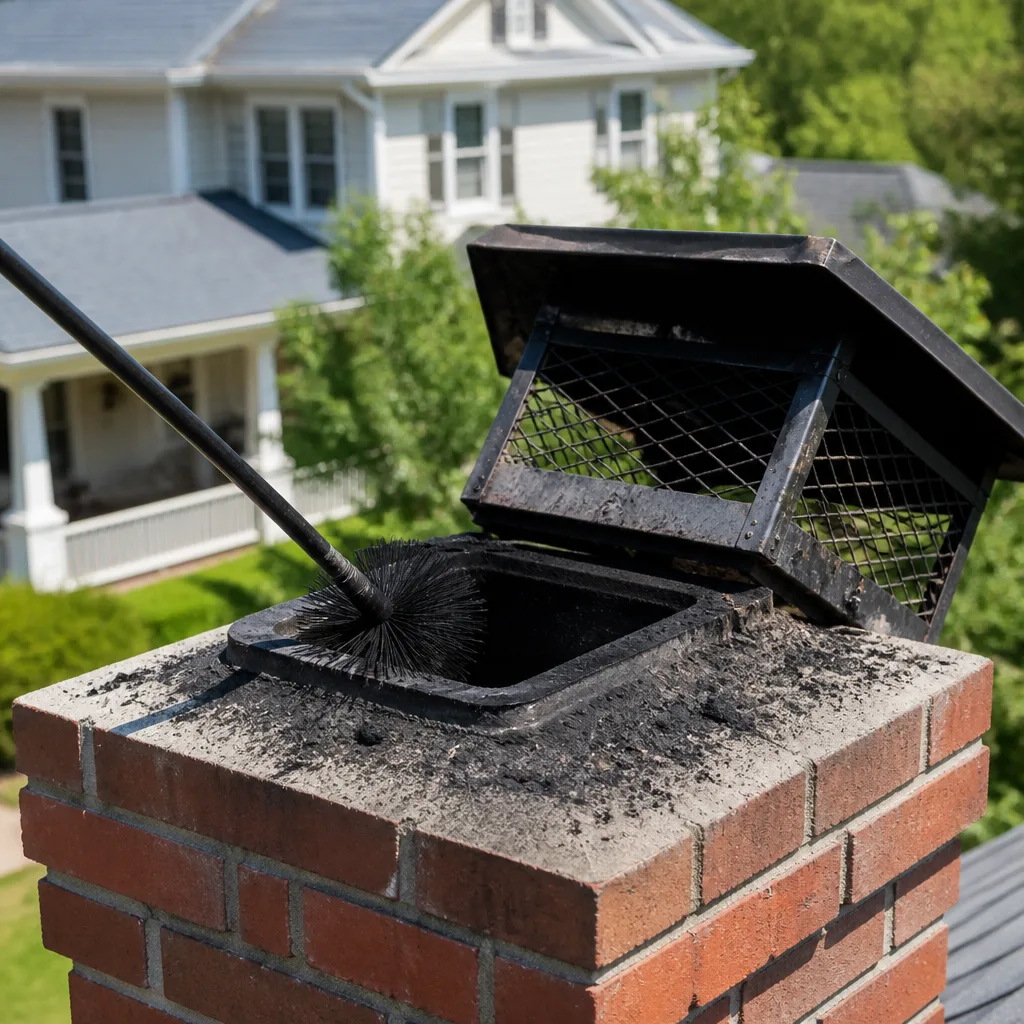
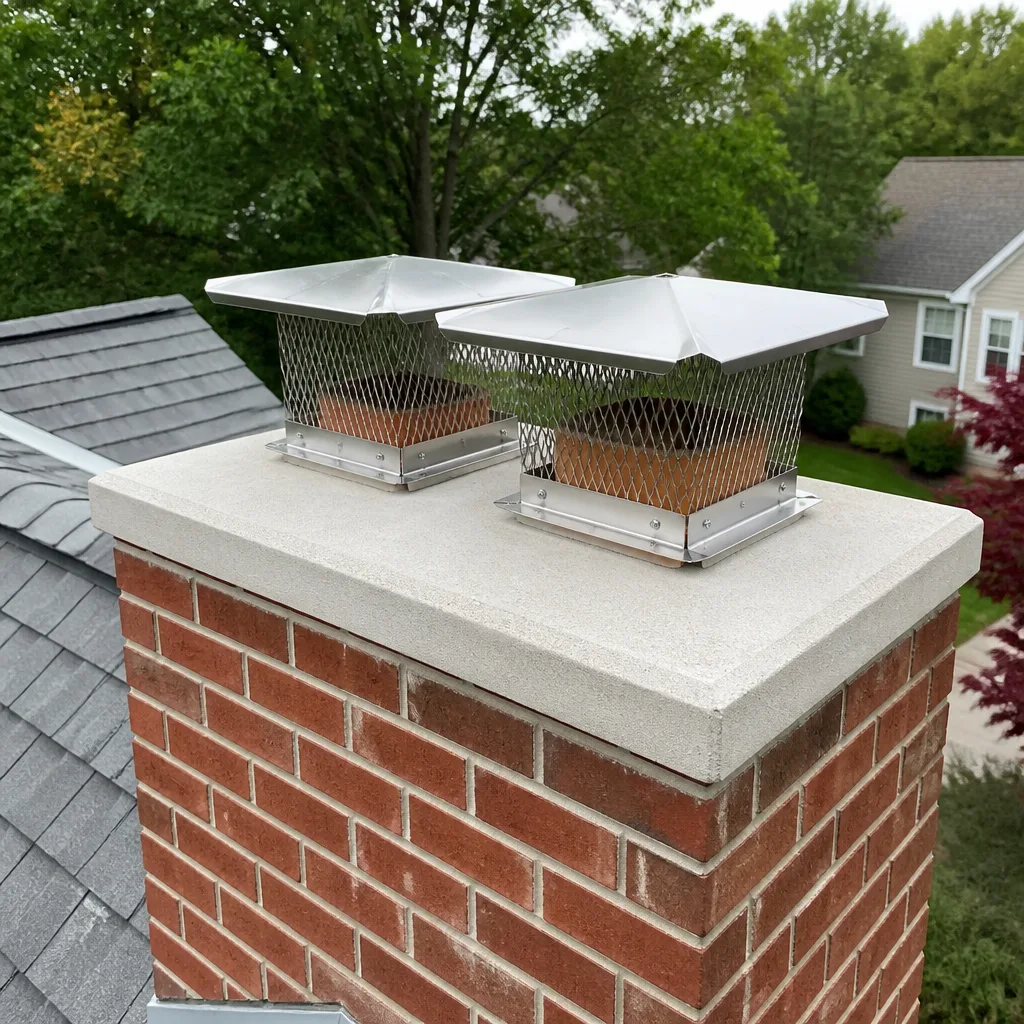
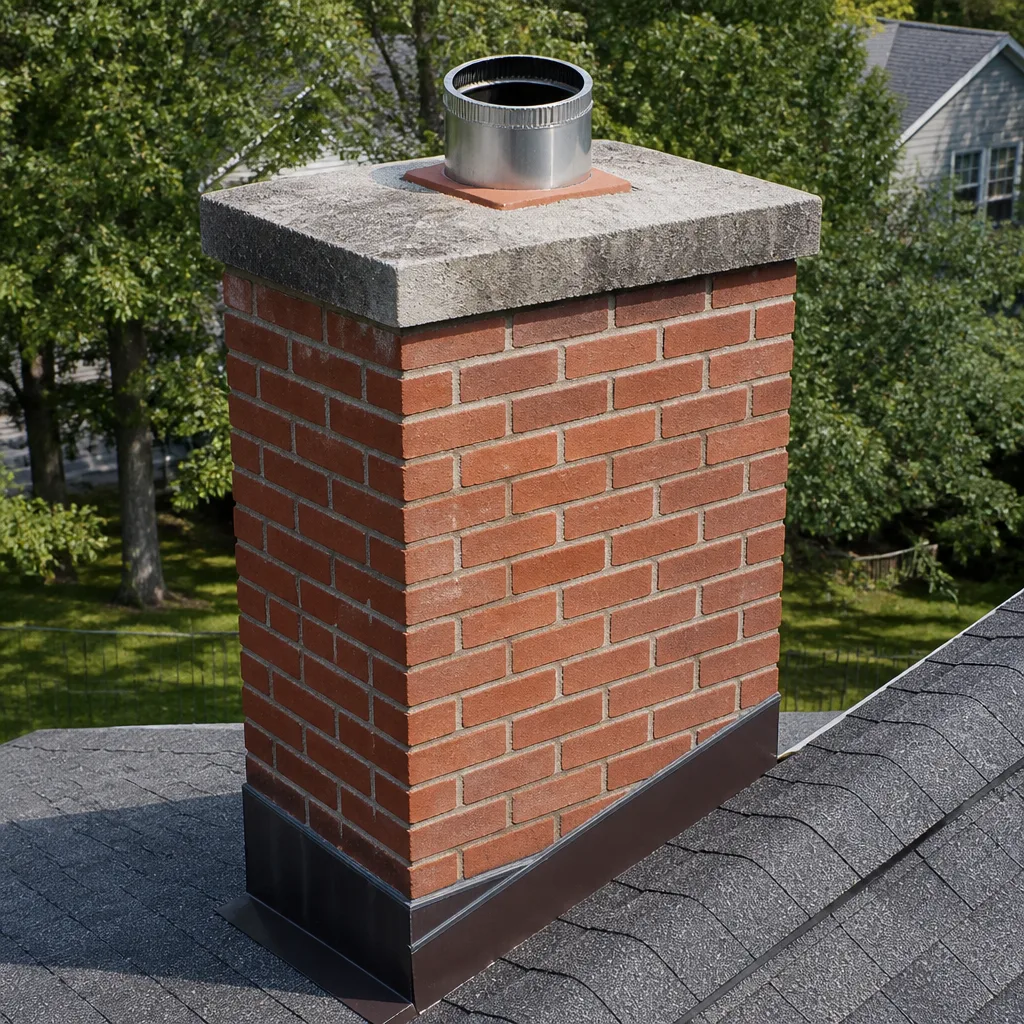
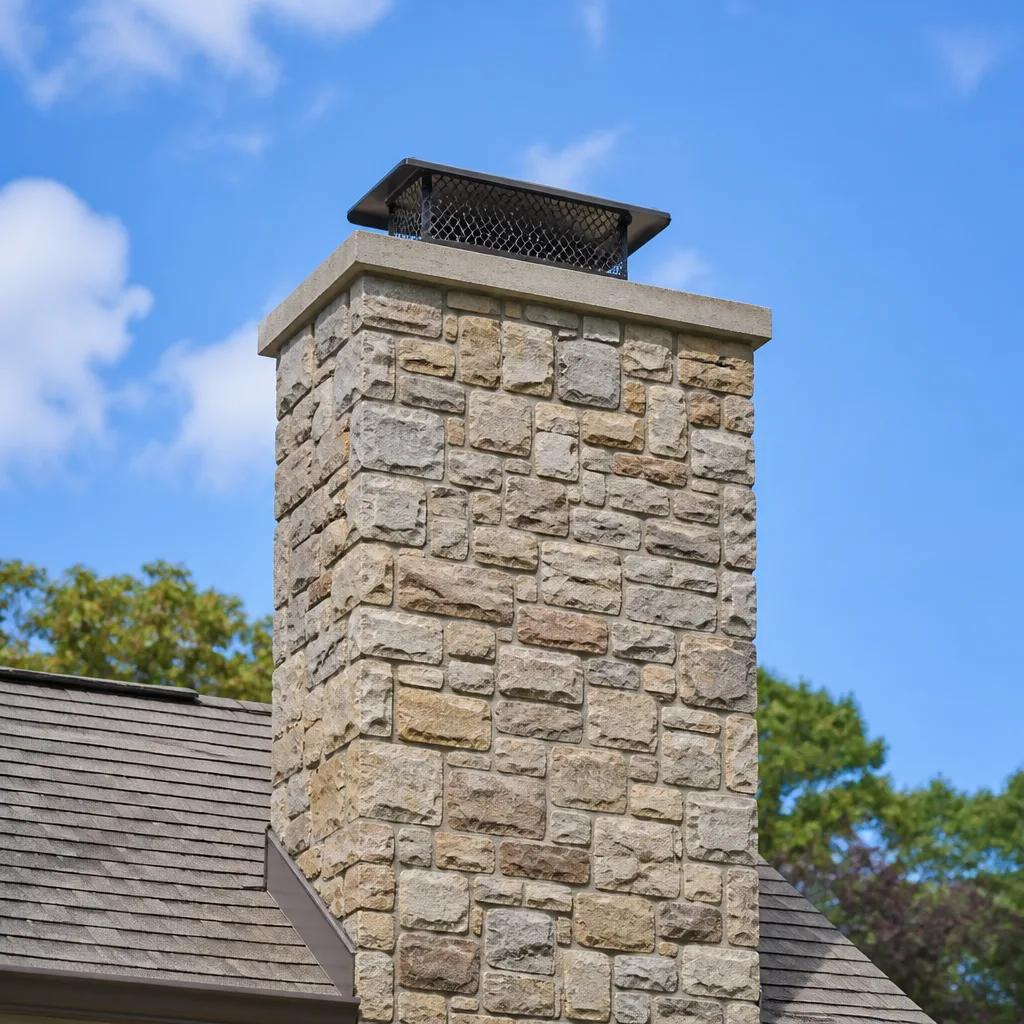
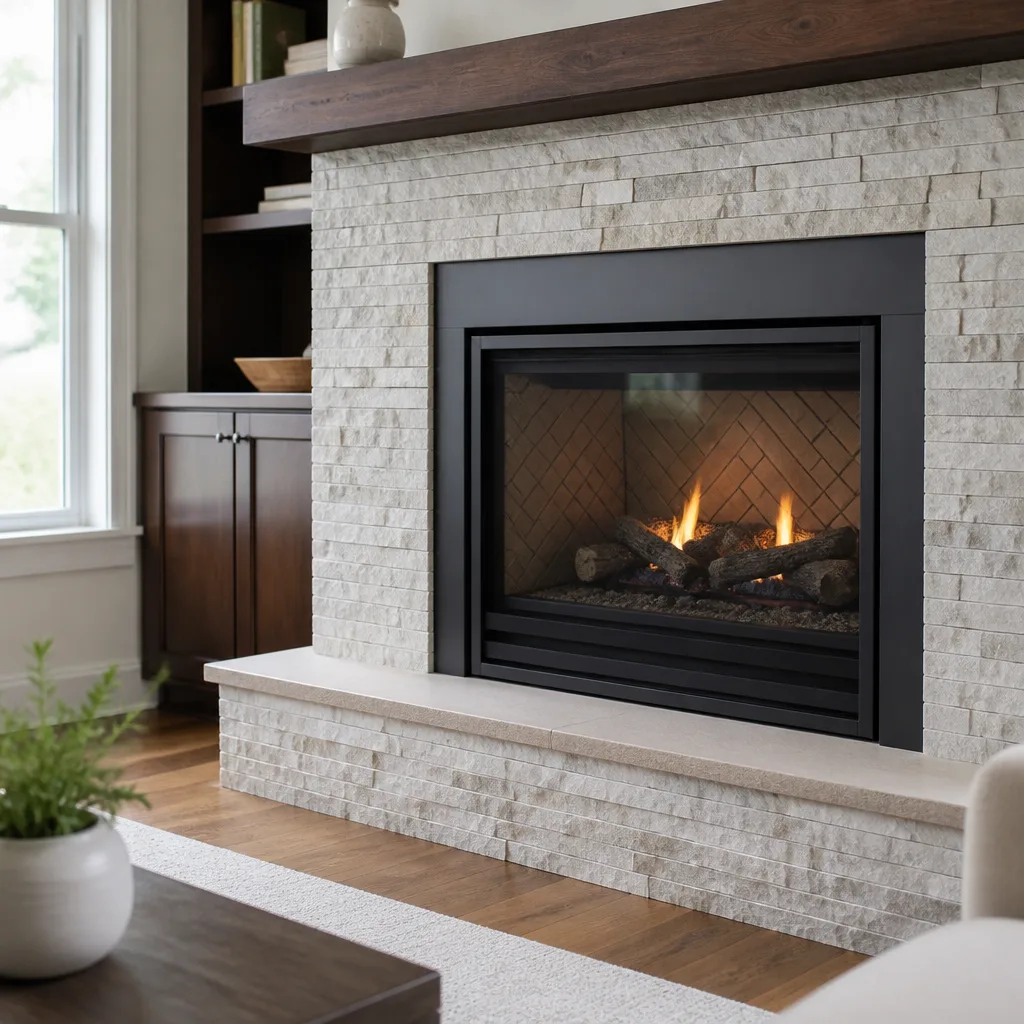
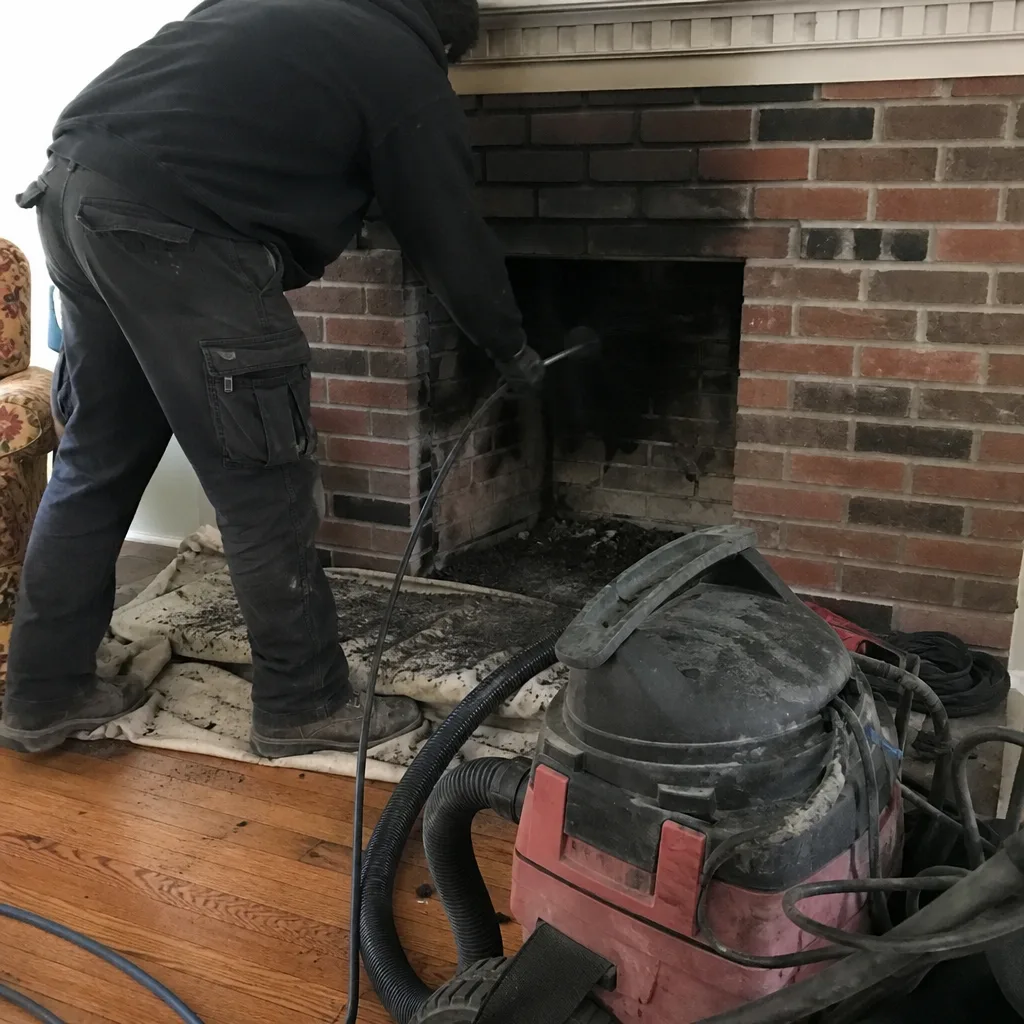 Before
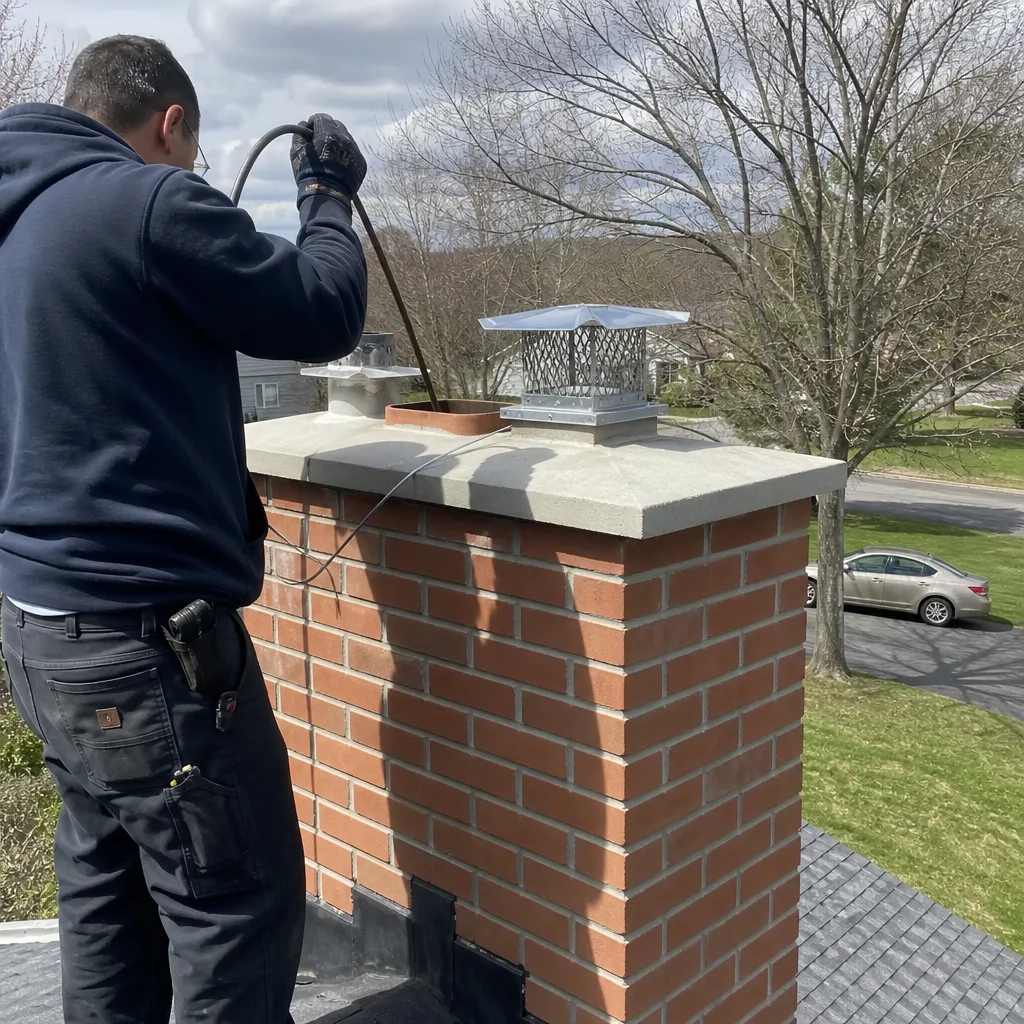 After
After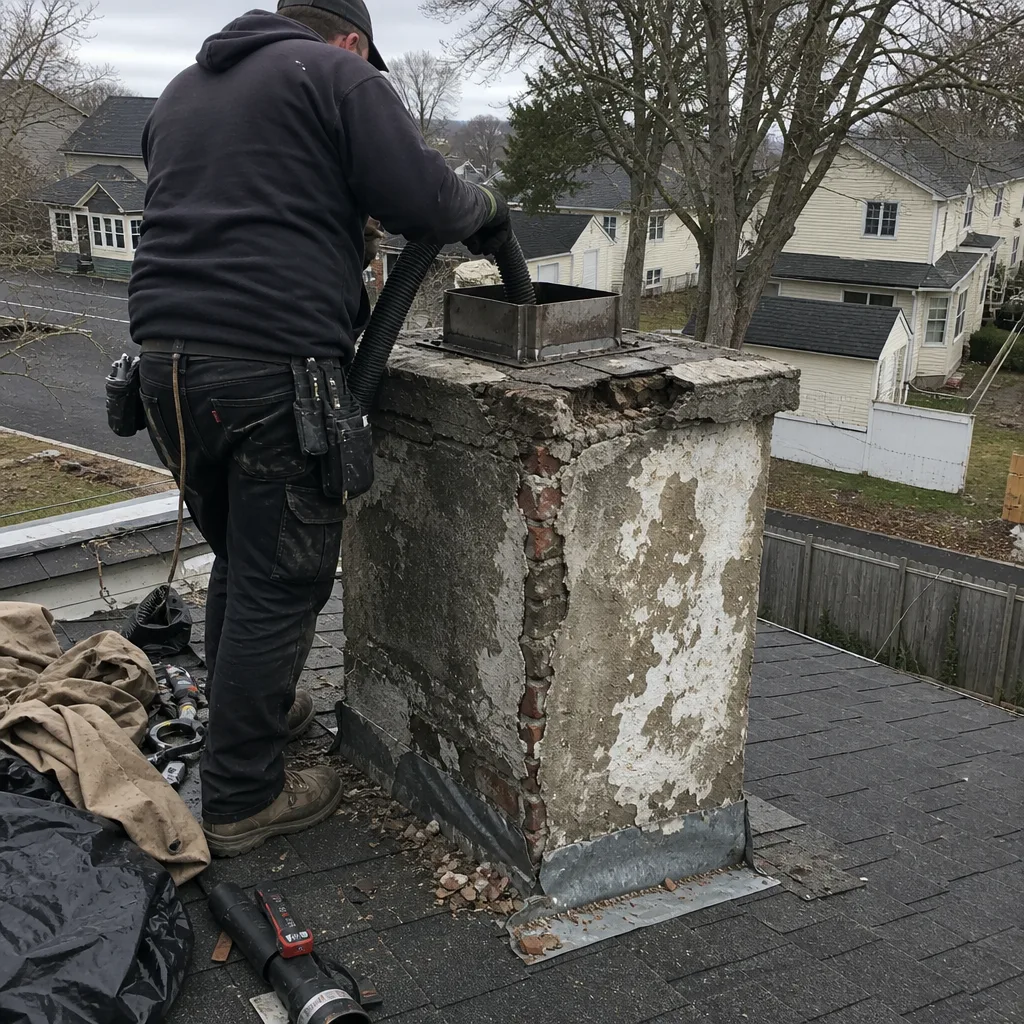 Before
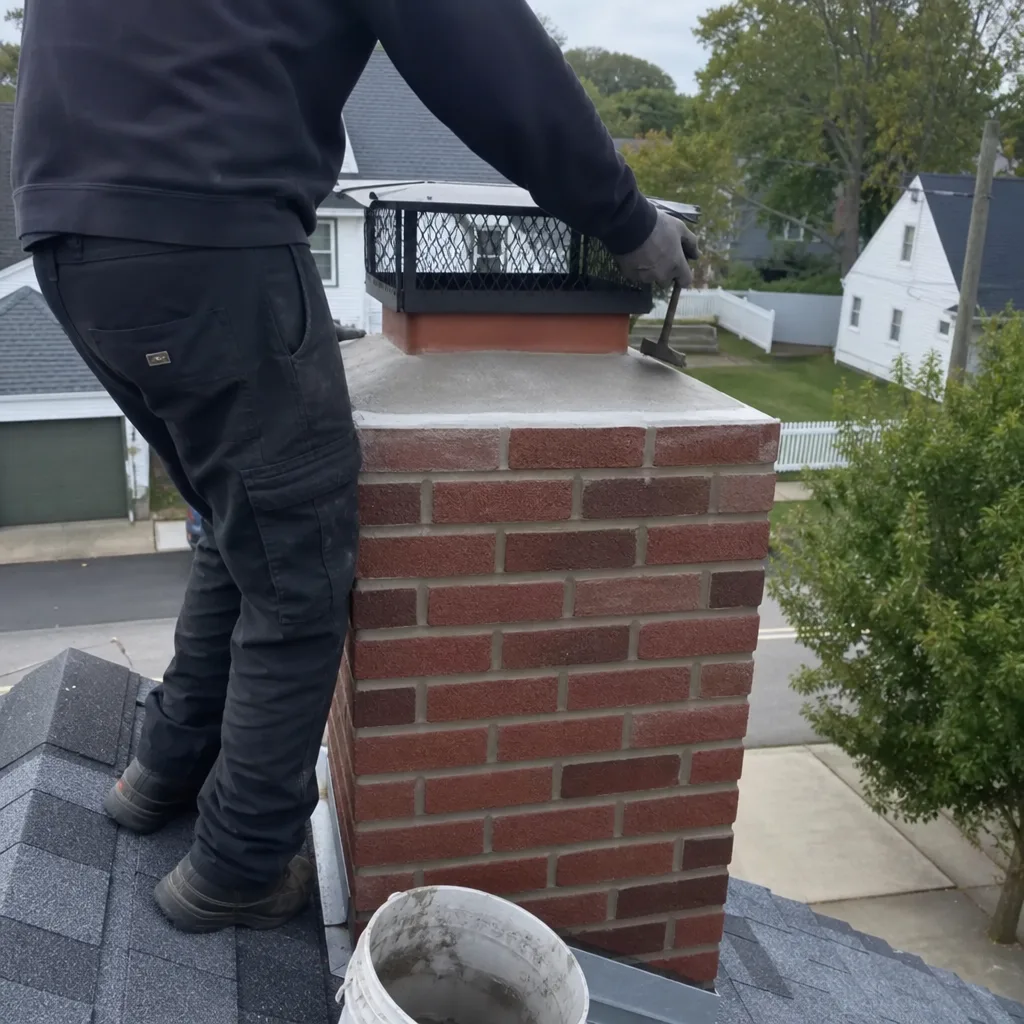 After
After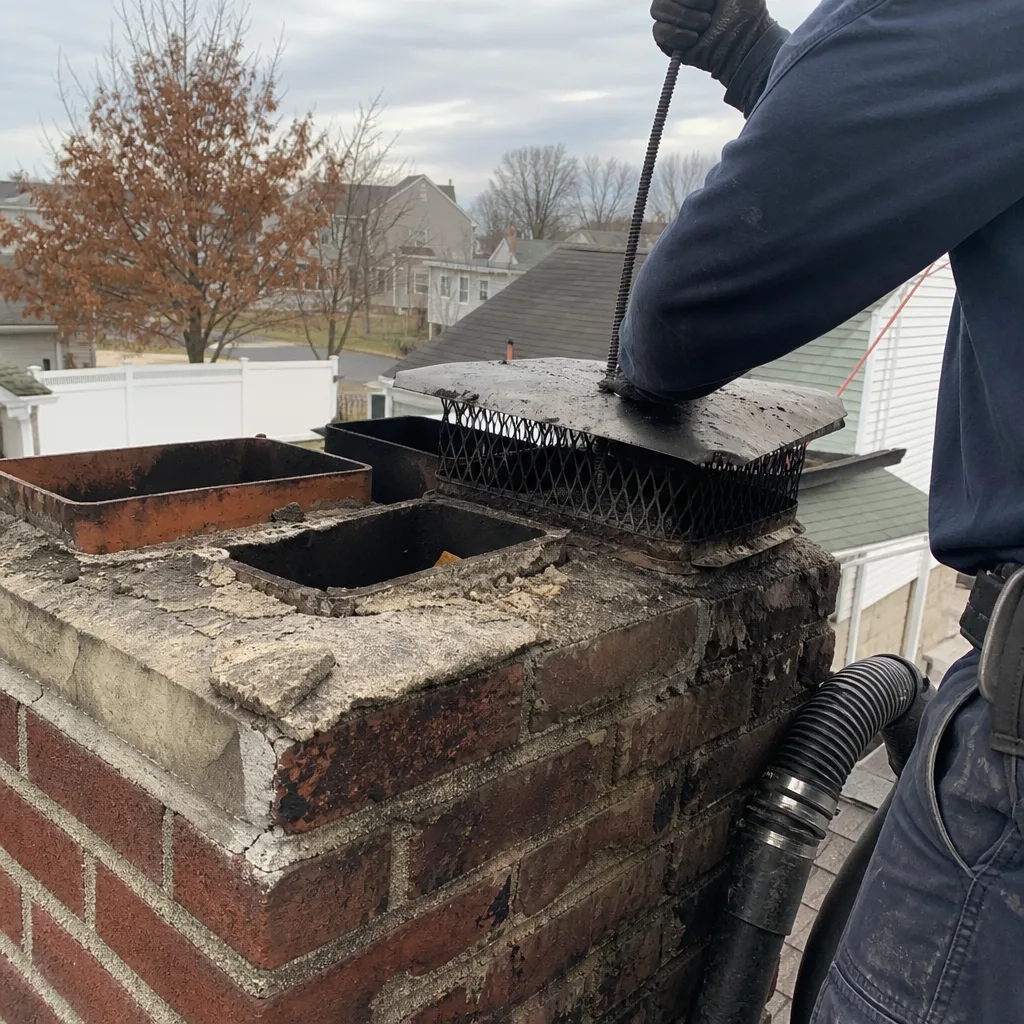 Before
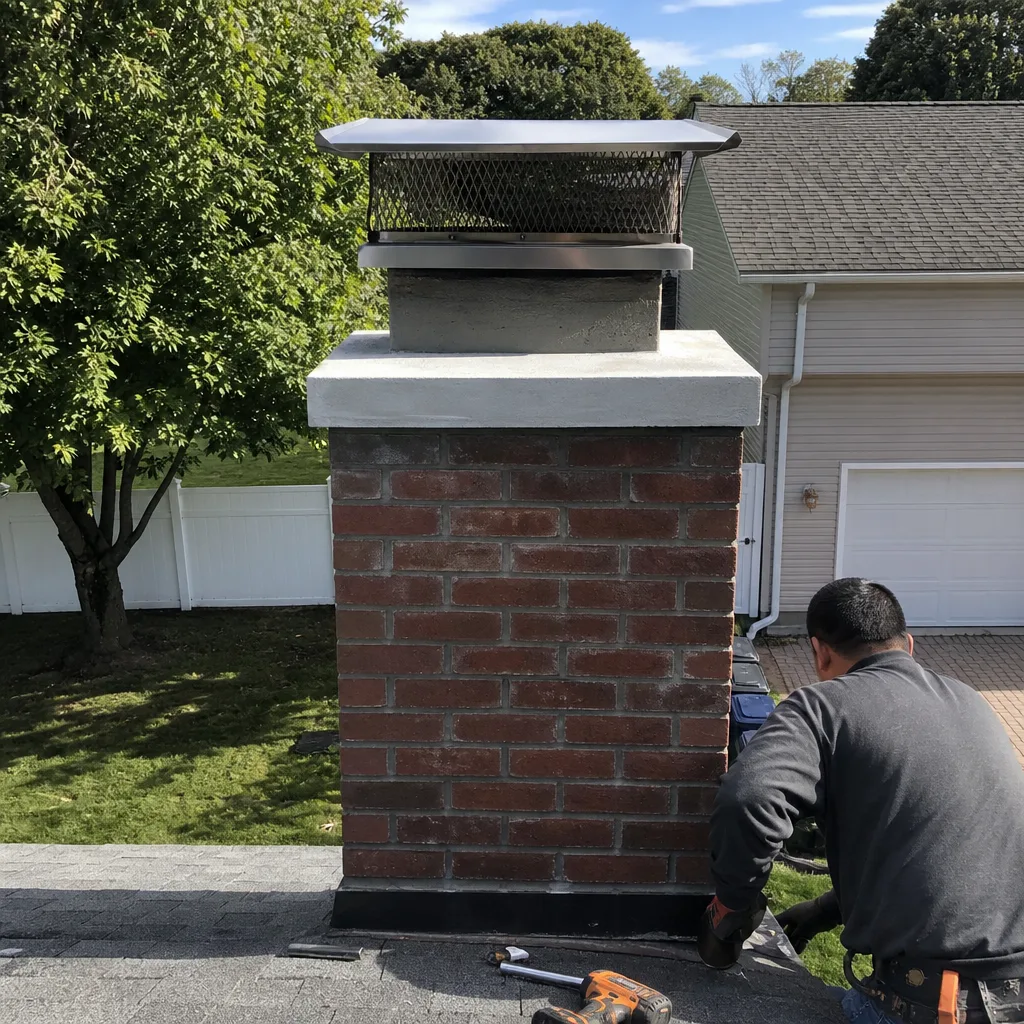 After
AfterChimney Cleaning Warning Signs: A Freeport Homeowner’s Reference Guide
A white, powdery stain on your chimney’s exterior looks like a cosmetic flaw. In Freeport, where salt-laden air from the Atlantic accelerates masonry decay, that stain - efflorescence - is often the first visible signal that water has breached your chimney’s defenses. By the time smoke backs up into your living room or you smell something sharp during a fire, the damage has usually been progressing for two or three seasons. This guide - and our complete guide to chimney cleaning in Freeport - sorts the warning signs by urgency, so you know when to stop using your fireplace tonight and when to schedule a routine inspection.
Quick Answer
The most critical chimney warning signs in Freeport homes are: efflorescence or exterior spalling (water intrusion, address within the season), a smoky room during burns (multiple causes, stop using until diagnosed), sharp acrid odors during fires (stage-two creosote, fire hazard), and musty smells in summer (moisture + organic buildup). Immediate stop-use signs include visible fire damage, collapsed damper, or spalling liner pieces in the firebox. Most other indicators warrant scheduling a Level-2 camera inspection within 30 days.
Table of Contents
- The Urgency Triage: Stop Tonight vs. Schedule Soon
- Exterior Signs: What Efflorescence and Spalling Reveal
- Why a Smoky Room Means Five Different Problems
- The Smell Indicators Competitors Ignore
- What to Document Before Calling a Sweep
- Common Mistakes to Avoid
- When to Call a Professional
- Frequently Asked Questions
The Urgency Triage: Stop Tonight vs. Schedule Soon
Not every warning sign demands the same response. We’ve found that Freeport homeowners, particularly those in older homes near the Nautical Mile or in the flood-prone areas south of Merrick Road, benefit from a clear urgency framework. Here’s how we categorize what we see in the field.
Stop Using the Fireplace Tonight
These signs indicate active safety hazards. Do not light another fire until a Level-2 inspection confirms the system is sound.
- Spalling liner pieces in the firebox. If you see tile fragments or clay chunks in the ash, your flue liner is deteriorating. A compromised liner allows heat to reach combustible framing. In Freeport’s pre-1980 housing stock, this is more common than owners realize.
- Collapsed or stuck damper. A damper that won’t open fully traps combustion gases in the home. Carbon monoxide risk is real and immediate.
- Visible fire damage. Scorched mantel, heat-discolored surround, or cracked firebrick with blackening behind it. These indicate a previous chimney fire that may have cracked the liner.
- Smoke pouring into the room that does not clear with open windows. This suggests a blocked flue or severe draft failure. The risk is carbon monoxide and unburned particulate exposure.
Schedule Within 30 Days
These signs need professional attention but do not require immediate stop-use if the fireplace is currently functioning normally.
- Efflorescence or new staining on exterior masonry
- Musty odor in summer months
- Minor smoke spillage at startup only
- White or gray ash accumulation on damper or smoke shelf
- Small cracks in crown or mortar joints visible from ground level
Schedule at Next Routine Sweep
These are maintenance indicators, not emergencies, for a system that is otherwise performing normally.
- Soot staining on interior firebox walls within normal range
- Minor rust on damper hardware
- Old but stable hairline cracks in exterior mortar
The distinction matters because we’ve seen Freeport homeowners panic over efflorescence while ignoring a stuck damper. The first costs you masonry work in two years. The second could cost lives tonight.
Exterior Signs: What Efflorescence and Spalling Reveal
Freeport’s location on the South Shore of Long Island creates a specific masonry stress profile. Salt air, freeze-thaw cycles from nor’easters, and the sandy, well-draining soils that allow water to move through foundations all contribute to patterns we don’t see in inland Nassau County.
Efflorescence: The Early Warning
Efflorescence is a white, powdery deposit of mineral salts left on masonry surfaces when water evaporates. It is not mold. It is not harmless decoration. It is evidence that water is moving through your chimney’s brick or block structure, dissolving minerals, and carrying them to the surface.
In Freeport, efflorescence appears most commonly:
- On the south- and east-facing chimney faces, where driving rain from Atlantic storms hits hardest
- Below the roofline, where flashing deterioration allows concentrated water entry
- At the chimney base, where splash-back from saturated ground wicks upward
The critical distinction: efflorescence that reappears after brushing indicates active water intrusion. A one-time bloom after a single severe storm may be incidental. Persistent efflorescence means the chimney is absorbing water regularly, and that water will eventually reach the flue gases, accelerate liner deterioration, and in freezing weather, cause spalling - the flaking and popping of brick faces.
Spalling Patterns and What They Signal
| Pattern Location | Probable Source | Typical Timeline to Interior Damage |
|---|---|---|
| Crown top and vertical faces | Crown cracks or missing sealant; direct water penetration | 1-2 seasons |
| Brick faces below roofline | Flashing failure or missing cricket | 2-3 seasons |
| Base of chimney, ground to 3 feet | Grade drainage issue, saturated foundation, or missing damp-proofing | 3-5 seasons |
| Interior firebox walls | Condensation from gas appliance or exterior leak already reached flue | Immediate inspection needed |
Coastal salt accelerates every stage. Salt crystals form within brick pores at lower humidity levels than pure water, so Freeport chimneys experience more freeze-thaw stress than identical construction in Hauppauge or Plainview. We’ve replaced crowns in Freeport that were intact in similar Smithtown homes for five years longer.
The repair approach depends on source identification. A crown issue may need chimney repair in Freeport with a poured concrete crown and proper overhang. Flashing failure requires removal and reinstallation with step flashing and counterflashing integrated correctly with the roofing. Grade problems need drainage correction, sometimes simple regrading, sometimes more extensive work. We document the source with photos and explain the verdict in plain English before quoting any work.
Why a Smoky Room Means Five Different Problems
“My fireplace smokes” is the most common call we receive. It is also the least specific. Smoke in the room can originate from five distinct failure modes, and the fix ranges from a $200 adjustment to a $4,000 liner replacement. Knowing which you’re dealing with saves time and prevents unnecessary work.
The Five Causes, Diagnosed
- Cold flue syndrome. The chimney is exterior, uninsulated, and the flue air is colder than the room air. When you open the damper, cold air sinks down the flue, blocking the warm smoke from rising. The smoke spills into the room for the first 5-10 minutes, then clears as the flue warms. Common in Freeport’s 1950s-1970s split-levels with chimneys on the gable end. Fix: Pre-warm the flue with a rolled newspaper torch, or install a top-sealing damper to keep cold air out.
- Blocked flue. Bird nests, collapsed liner sections, or severe creosote buildup physically obstruct the passage. The smoke does not clear; it continues pouring in. This is a stop-use situation. Fix: Professional removal of obstruction, followed by camera inspection to assess liner condition. We use DuraFlex liner systems when replacement is needed.
- Negative pressure in the house. Modern weatherization, powerful kitchen exhaust fans, and HVAC return ducts can depressurize a home faster than the chimney can draft. The smoke follows the pressure gradient into the room. Common in renovated Freeport homes with new windows and added insulation. Fix: Combustion air supply, dedicated make-up air, or adjustment of HVAC balance. Sometimes as simple as opening a window near the fireplace.
- Improper flue sizing. A fireplace opening too large for the flue diameter cannot establish adequate draft. The ratio matters: the flue area should be roughly 1/10 the fireplace opening area. Retrofitted inserts in old Freeport fireplaces often create this mismatch. Fix: Smoke guard to reduce opening, or liner resizing with an appropriate stainless steel system.
- Downdraft from wind patterns. Freeport’s coastal exposure means prevailing winds from the southwest can drive down certain chimney configurations, especially short chimneys below roof peak or those near large trees that create turbulence. The smoke is intermittent, worst on windy days. Fix: Proper chimney cap with wind-resistant design, or extension of chimney height.
The Diagnostic Sequence Before You Call
When a Freeport homeowner calls with smoke complaints, we ask three questions that narrow the cause immediately:
- Does the smoke clear after 10 minutes, or continue? (Cold flue vs. blockage/pressure)
- Is it worse on windy days, or consistent? (Downdraft vs. structural)
- Did you recently replace windows, add insulation, or install a new range hood? (Pressure change)
Your answers determine whether we bring a camera, a pressure gauge, or both. The wrong diagnosis leads to the wrong repair. We’ve seen competitors sell liners for pressure problems that needed a $150 combustion air inlet.
The Smell Indicators Competitors Ignore
Homeowners trust their noses more than their eyes for early warning. The problem is interpreting what the nose reports. Two distinct odors from a chimney system signal completely different conditions, and the seasonal timing of each matters.
Musty Odor in Summer
A damp, earthy smell from the fireplace in July or August indicates moisture mixing with organic deposits on the smoke shelf and flue walls. The moisture activates dormant creosote and soot, releasing volatile compounds. In Freeport’s humid summers, this is common in chimneys with marginal flashing or crown leaks that don’t yet show interior water damage.
What it means: Water is entering, but not yet in volumes that cause visible interior staining. The creosote is present and being reactivated, which accelerates deterioration of the flue surface. Left unaddressed, this becomes the sharp acrid smell of active burning by October.
What to do: Schedule a sweep and inspection before the burning season. The moisture source needs identification, and the creosote load needs removal before it hardens into stage-three glazed deposit.
Sharp, Acrid Smell During Burns
A chemical, sharp, eye-watering odor while the fire is active indicates stage-two or stage-three creosote. Stage-one creosote is sooty, dusty, and nearly odorless. Stage-two becomes tar-like and releases noticeable volatile compounds when heated. Stage-three is glazed, hardened, and produces the strongest acrid signature.
The danger: Stage-two and stage-three creosote ignite at lower temperatures and burn with greater intensity. A chimney fire in glazed creosote can reach 2,000°F, sufficient to crack clay liners and damage surrounding structure. In Freeport’s older homes with balloon framing, this is a particular concern.
What to do: Stop using the fireplace. A standard sweep will not remove glazed creosote. Mechanical removal with specialized chains or rotary systems is required, followed by camera inspection for liner damage. We use HeatShield refractory coating systems for liner resurfacing when the damage is surface-level but the liner is structurally sound.
The “Barbecue” Smell from Gas Fireplaces
A sooty, barbecue-like odor from a gas log set indicates incomplete combustion, often from dirty burners, deteriorated ember material, or logs placed incorrectly. This is not normal. Carbon monoxide risk is elevated. The fix is cleaning and adjustment, not a sweep, but the diagnostic confusion leads some homeowners to delay.
What to Document Before Calling a Sweep
The most efficient service calls we’ve made in Freeport began with homeowners who documented their observations. Specific information allows us to bring the right equipment, schedule adequate time, and often diagnose before we arrive. Here’s what helps.
Photo Documentation
- Exterior masonry. Stand back far enough to show the full chimney height. Take one photo per face. Include the roof intersection and any visible staining.
- Close-up of any damage. Efflorescence, spalled brick faces, cracked crown, deteriorated mortar joints. Use a coin or key for scale.
- Firebox interior. With damper open, photograph the full firebox, the damper condition, and the smoke shelf area if visible with a flashlight.
- Any debris. Liner fragments, unusual ash color (white ash indicates very high temperatures; black, fluffy ash is normal), or animal droppings.
Incident Log
For intermittent problems, a brief log transforms diagnosis from guesswork to engineering:
- Date and time of incident
- Weather conditions: temperature, wind direction and strength, recent precipitation
- What was burning: seasoned hardwood, construction scraps, paper, gas logs
- Specific symptom: smoke at startup, smoke throughout burn, odor only, unusual sounds
- What cleared it: opening window, waiting 10 minutes, extinguishing fire
We had a Freeport homeowner in the Archer Street area document three smoke incidents over two weeks. The pattern - always between 6 and 7 PM, always with the kitchen exhaust running - pointed to negative pressure before we arrived. The fix was a $180 make-up air damper, not the $3,200 liner another company had proposed.
What to Include in Your Initial Call
When you call Hearthstone Chimney Co. at (631) 735-5125, a live person answers 24 hours a day. The information that gets you scheduled most efficiently:
- Address and approximate age of home
- Fuel type: wood, gas, or pellet
- Last known sweep date, if any
- Current symptoms and when they began
- Whether you’ve stopped using the system
We do not charge for estimates, and we do not recommend work without camera evidence you can see for yourself.
Common Mistakes to Avoid
- Assuming a chimney fire sounds dramatic. Most chimney fires are quiet, a low rumbling or rushing sound like a distant train. By the time you see flames or hear crackling, the event is usually severe. Any unusual sound during a fire warrants immediate extinguishing and inspection.
- Using the fireplace to “burn out” creosote. This is dangerous and ineffective. Intentionally hot fires to remove buildup risk igniting stage-three deposits uncontrollably. Professional mechanical removal is the only safe method for glazed creosote.
- Ignoring summer mustiness as “just humidity.” In Freeport’s coastal climate, summer moisture intrusion is the precursor to winter freeze-thaw damage. Addressing it in July prevents the spalled brick faces you’ll see the following March.
- Hiring based on the lowest sweep price. A $99 sweep that does not include camera inspection, does not access the roof to examine the crown and flashing, and does not provide written documentation is not a bargain. It is a missed diagnosis waiting to become an expensive repair.
- Delaying because “the fireplace still works.” Chimney systems fail progressively. A liner with hairline cracks still drafts. A partially blocked flue still moves some smoke. The margin of safety narrows until it doesn’t. Annual inspection catches deterioration in the margin, not past it.
- Trusting visual inspection from the ground. Crown condition, flashing integration, and liner integrity require rooftop and internal camera access. A ground-level “looks fine” assessment misses the conditions that matter most.
- Neglecting gas fireplace maintenance. Gas systems do not produce creosote, but they do produce moisture and can develop burner obstruction, valve wear, and venting problems. Annual service by a technician familiar with your specific unit prevents carbon monoxide risk and extends appliance life.
When to Call a Professional
Call a professional sweep when any warning sign in this guide appears, or when your last inspection exceeds 12 months; see how to hire a chimney cleaning contractor in Freeport for what to look for. In Freeport, where coastal conditions accelerate wear, annual inspection is prudent even for lightly used systems.
Specific scenarios that should not wait:
- You observe any item in the “Stop Using Tonight” category above
- You smell sharp, acrid odors during burns
- You see efflorescence that persists or worsens over a season
- Your last sweep was performed without camera inspection or roof access
- You are purchasing a home and need objective assessment of chimney condition
Hearthstone Chimney Co. offers chimney cleaning and sweeping in Freeport with Level-2 camera inspections that end with photos you can see and a plain-English verdict. Our background-checked, uniformed technicians complete most jobs in a single visit. We answer the phone with a live person 24 hours a day, 7 days a week - no voicemail, no callback queue. Call (631) 735-5125 for a free estimate. Estimates are free, and no work is recommended without documentation you can evaluate yourself.
Frequently Asked Questions
A standard Level-1 sweep and inspection in Freeport typically runs $200-$300 for a wood-burning system in normal condition. A Level-2 inspection with camera documentation, required for real estate transactions or when warning signs are present, ranges $300-$450 depending on accessibility and system complexity. Our $89 Seasonal Tune-Up covers basic gas fireplace service. We provide no-hassle upfront pricing - the number on the estimate is the number on the invoice. Call (631) 735-5125 for an exact quote based on your specific system.
You need a new liner when camera inspection confirms the existing liner is cracked, spalled, or missing sections in a way that allows heat or combustion gases to reach combustible framing. We do not recommend liner replacement without photo evidence you can see. In some cases, HeatShield refractory resurfacing can restore a sound clay liner with surface damage. In others, a stainless steel DuraFlex liner is the appropriate solution. The determination requires internal camera documentation, not a sales pitch. If another company recommended a liner without showing you the damage, call us for a free second opinion on any written estimate.
The National Fire Protection Association recommends annual inspection for all chimney systems, with sweeping as needed based on creosote accumulation. In Freeport, where coastal moisture and seasonal temperature swings accelerate liner and masonry wear, annual inspection is particularly important. Active wood-burning households often need annual sweeping. Occasional users may inspect clean for several years. Gas systems need annual service of the burner, valve, and venting components even though they do not produce creosote. The inspection determines the need; the schedule follows the condition.
Skipped maintenance allows creosote to accumulate to hazardous levels, moisture to degrade masonry and liner, and minor defects to progress to major failures. The specific risks are chimney fire from ignited creosote, carbon monoxide intrusion from blocked or damaged flues, and water damage to interior structure from undetected leaks. In Freeport’s older housing stock, the structural and financial consequences of deferred maintenance are typically three to five times the cost of preventive care. The 90-Day Done Right Promise covers our work, but it cannot protect against damage that occurred before we arrived.
Summer humidity activates organic deposits in the flue that remain dormant in dry winter air. The moisture also indicates water entry that will accelerate deterioration. The smell is a signal that your chimney needs both cleaning and moisture-source identification. Addressing it in summer prevents the more serious conditions you’ll face when you want to burn in October.
You can observe and document exterior conditions from the ground, check damper operation, and note odors or smoke behavior. You cannot safely assess liner condition, crown integrity, or flashing details without proper equipment and rooftop access. More importantly, you cannot provide the documentation that insurance or real estate transactions require. Professional inspection with camera evidence serves both safety and record-keeping purposes that homeowner observation cannot replace.
The Bottom Line
The chimney warning signs that matter most in Freeport homes are not the dramatic ones - they are the early, subtle indicators that progress predictably if ignored. Efflorescence on exterior masonry signals water intrusion that will become spalling, then liner damage, then interior water stains. A musty summer smell indicates moisture and creosote activation that will become acrid burn odors and fire hazard. The smoky room that clears after ten minutes is a different problem from the smoky room that never clears, and treating them the same wastes money or risks safety.
Organize your response by urgency. Stop using the system for active hazards. Schedule inspection within 30 days for progressive conditions. Document everything with photos and incident notes before calling. And choose a sweep who shows you camera evidence, explains findings in plain English, and stands behind the work in writing. For more guides & resources, visit our blog. Done right - and we stand behind it.
Our fireplace services in Freeport include complete diagnostic, repair, and maintenance for wood, gas, and pellet systems. For any warning sign described in this guide, or if you’re simply due for annual inspection, call Hearthstone Chimney Co. at (631) 735-5125. A live person answers every call, every hour, every day.
Written by Russell Haines, Owner at Hearthstone Chimney Co., serving Freeport since 2014.